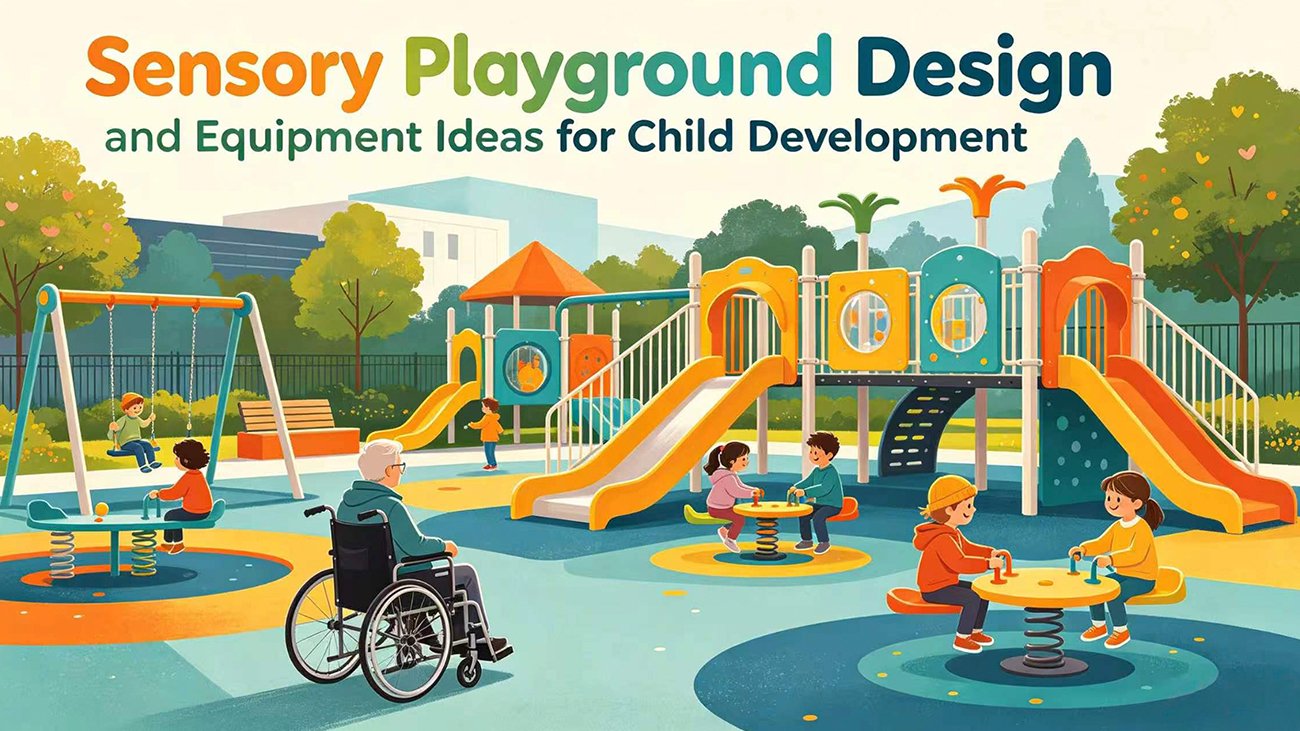
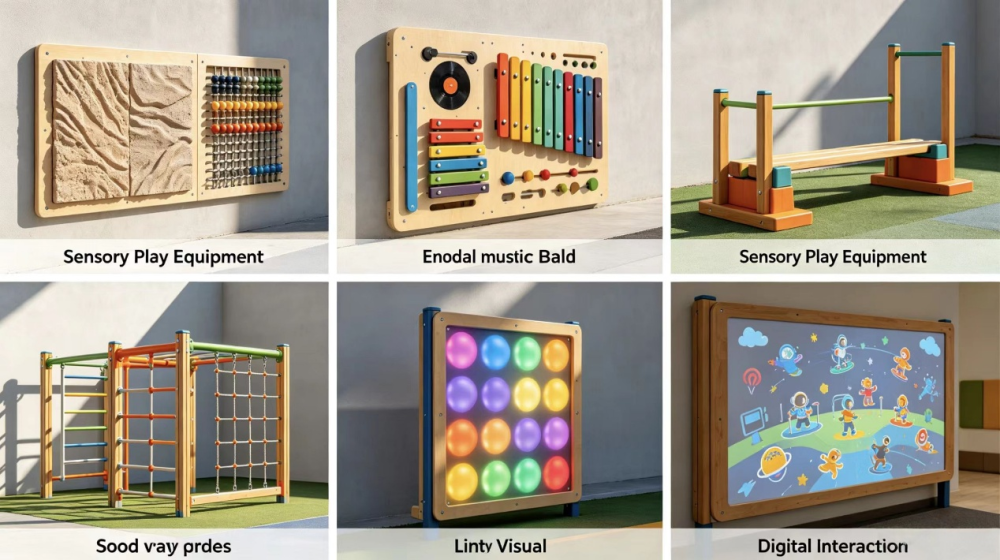
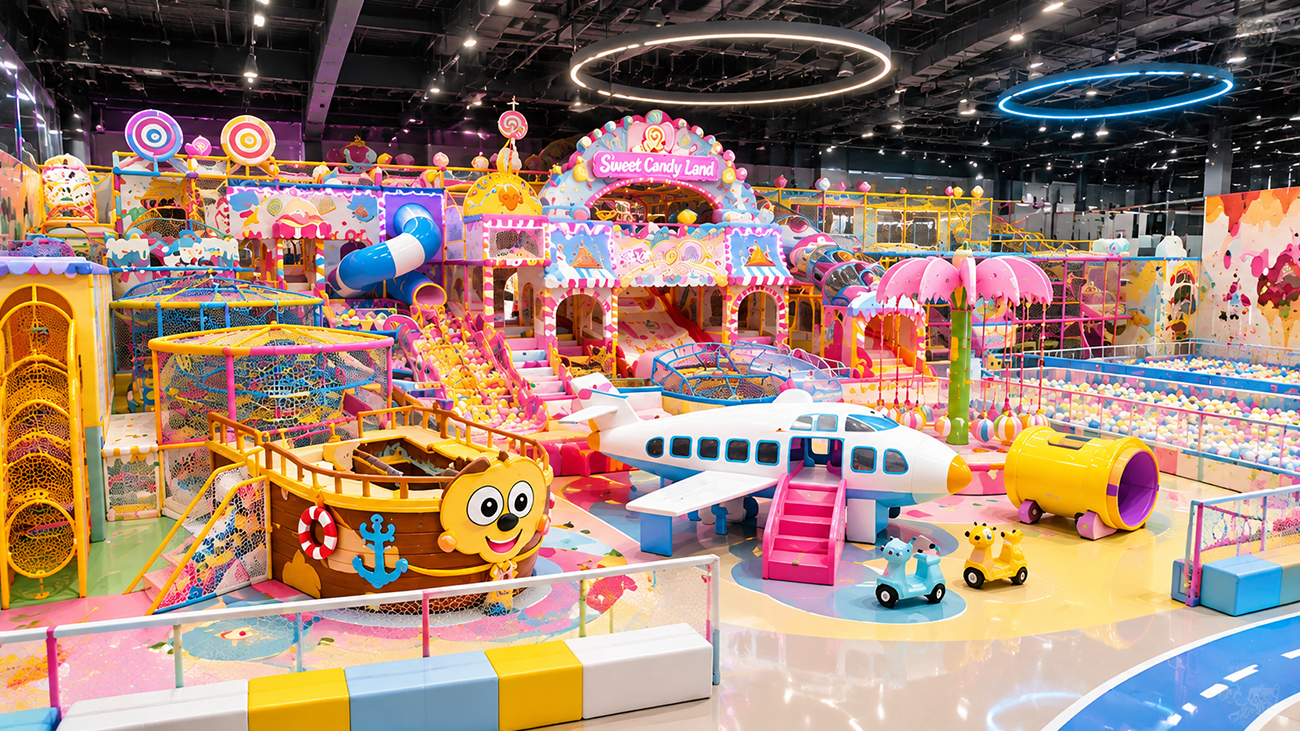
Sensory playground design plays a critical role in child development and modern infrastructure trends. By providing multidimensional stimulation—including tactile, visual, auditory, and proprioceptive sensations—Sensory playground design supports neural connections and comprehensive abilities in children aged 0–12. This approach is particularly effective for regulating children with neurodivergence, helping to improve attention, motor skills, and emotional regulation while reducing anxiety and screen dependency. As global inclusive education policies evolve, Sensory playground design is increasingly becoming a core infrastructure focus for schools, communities, and commercial spaces that utilize outdoor playground equipment.