
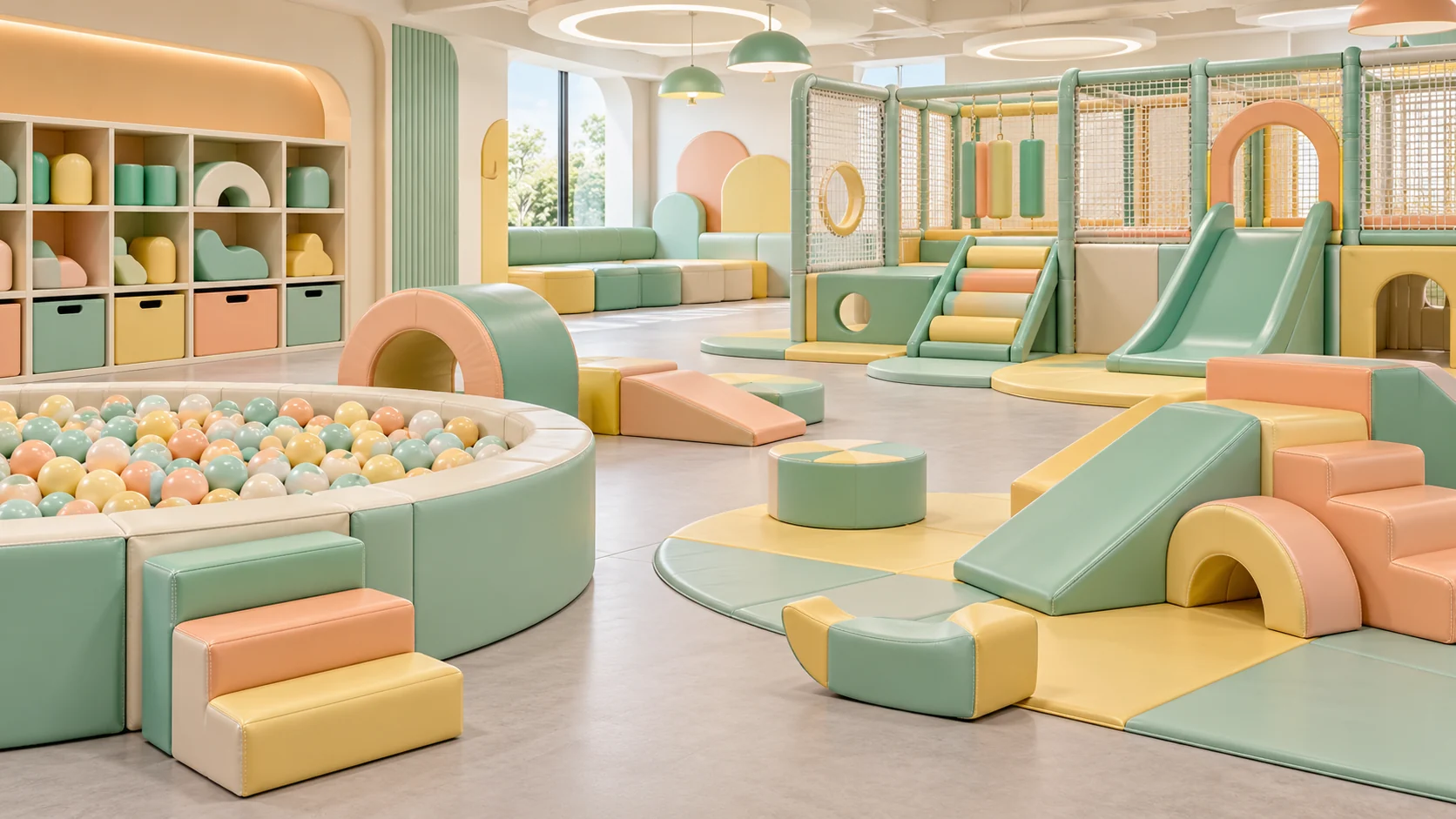
Soft Play Equipment Maintenance: What Should Buyers Confirm About Cleaning and Replacement Parts?
Quick Answer Before ordering soft play equipment, confirm the cleaning instructions for the supplied materials, access to areas that need

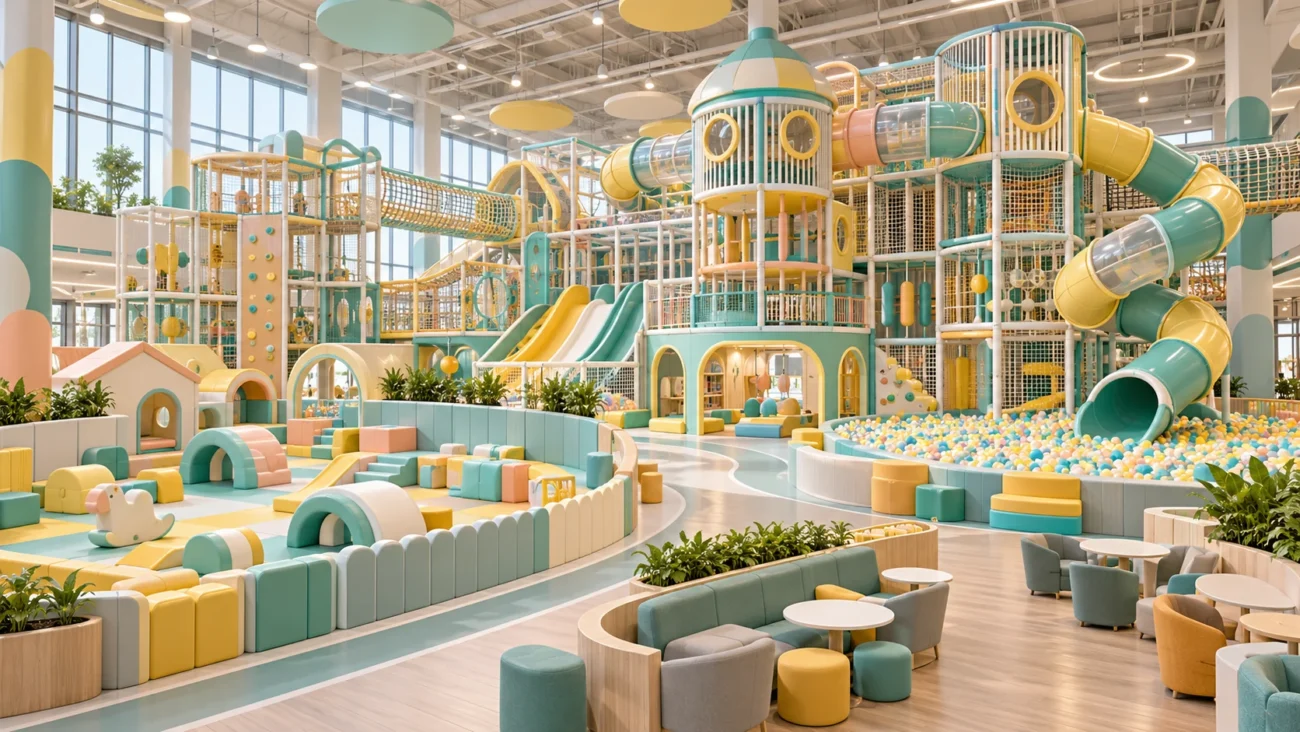
Compare commercial indoor playground equipment proposals in two connected parts: how the layout serves the venue, and what the supplier has actually priced. Check the same site dimensions, intended users and activity priorities, then match the drawing to an equipment schedule, specifications and service inclusions.
A more detailed rendering does not necessarily represent a more complete equipment package. KanbeiPlay provides custom design, manufacturing, installation support and after-sales assistance within the agreed scope. Buyers should confirm how those services apply to their order and identify who handles any remaining fit-out, delivery and installation work.
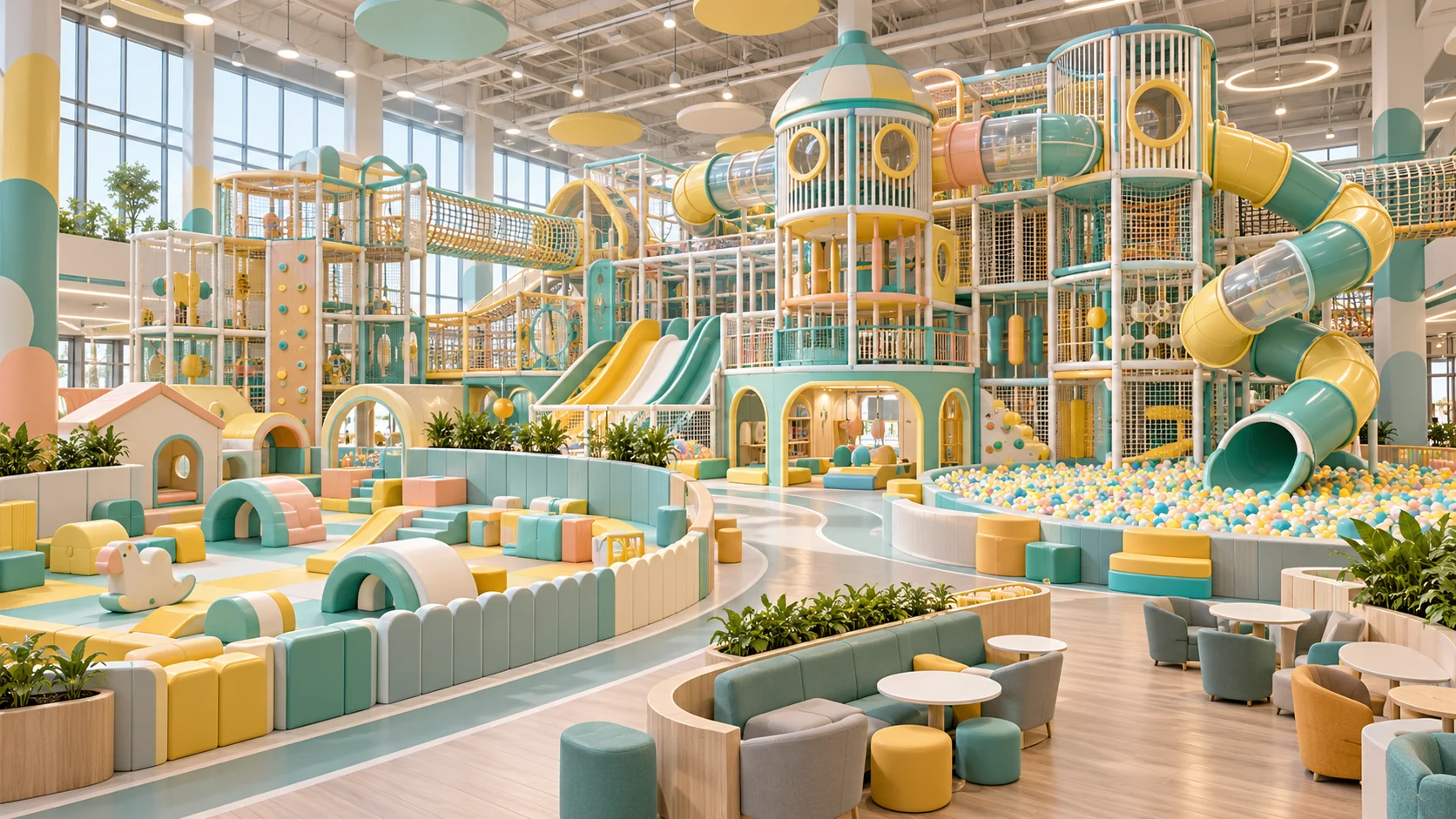
Before evaluating appearance, check the underlying plan. Confirm floor dimensions, clear height, column positions, entrances and fixed obstructions. Identify the areas available for equipment after other venue functions are considered.
If suppliers receive different information, the resulting proposals may solve different problems. One may include reception and seating while another uses those areas for attractions. The larger-looking play structure may therefore be an unfair comparison.
Ask each supplier to label the drawing revision and any assumptions. Keep provisional site measurements visible until they have been checked. A proposal should make uncertainty easier to resolve, not hide it behind a finished visual.
Define the audience and play priorities before scoring the designs. Consider the proposed age groups, activity choices and relationship between zones. Ask why a particular equipment combination suits those requirements.
KanbeiPlay’s commercial indoor playground equipment range provides options for discussing different layouts. The selection should be narrowed to equipment relevant to the venue, with dimensions and user requirements confirmed for the proposed configuration.
Look beyond attraction count. Compare access, movement between activities, observation needs and the relationship with supporting areas. A layout that contains more visible components may leave less room for functions the operating team still needs.
Request an equipment schedule linked to the drawing. It should identify included attractions, quantities and the specifications needed to understand the package. Clarify decorative items as well as major play components.
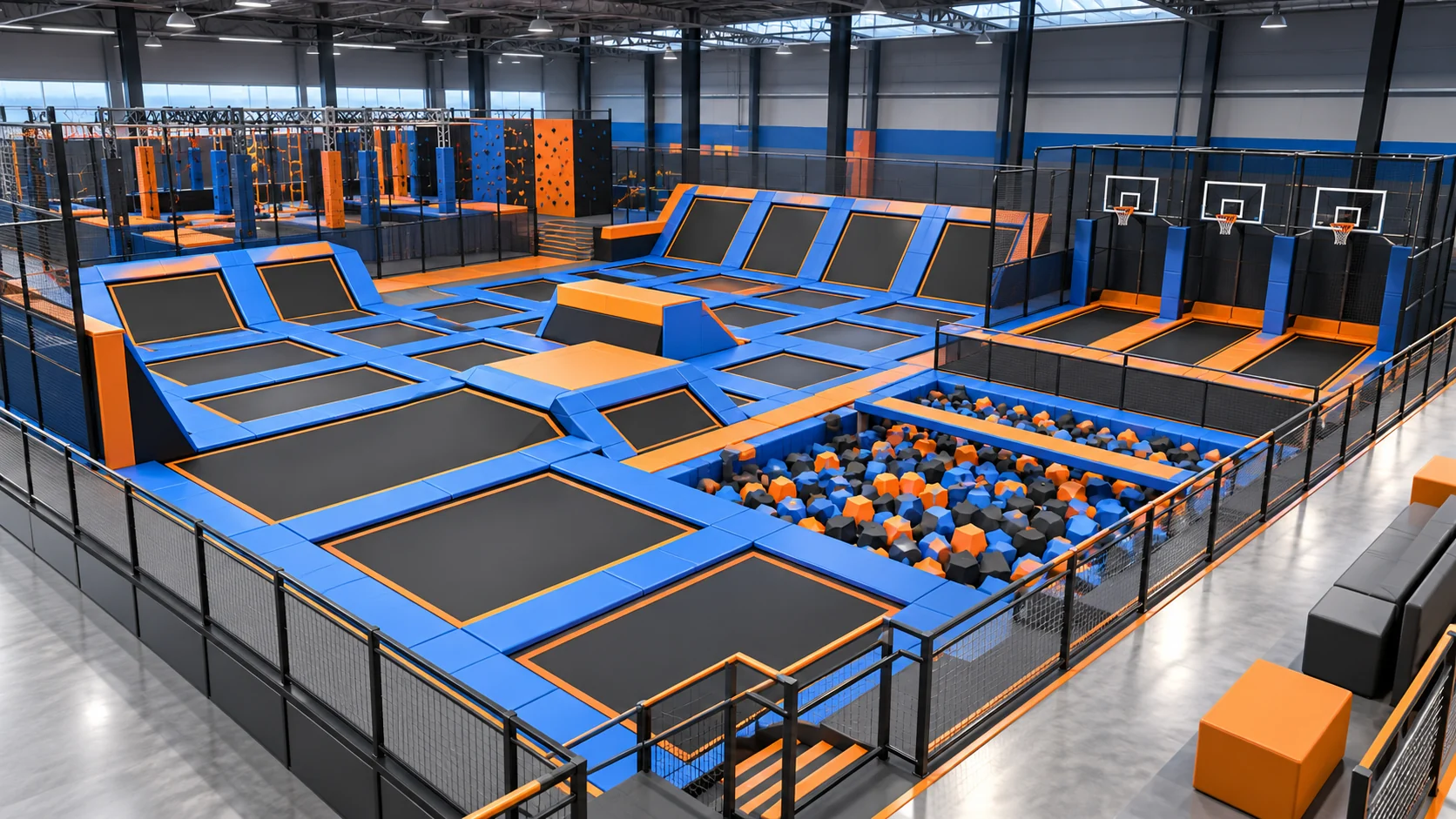
Renderings communicate appearance. They may not establish whether lighting, furniture, signage or other surrounding features belong to the supplier’s offer. Ask for written confirmation rather than assuming everything pictured is included.
Create a simple cross-check: each quoted item should have a clear place in the proposal, and each important pictured item should have an identified scope. If a feature is optional, show it separately from the approved base package.
Identify where equipment supply ends and other project responsibilities begin. This is particularly important when one offer uses a broad description such as “complete solution” while another itemizes individual services.
| Scope area | Confirmation needed |
|---|---|
| Play equipment | Included attractions, structure and relevant components |
| Decoration | Theme features, finishes and exclusions |
| Design | Layouts, drawings and agreed revisions |
| Packing and delivery | Included services and delivery boundaries |
| Installation | Assistance model and labor responsibilities |
| Local works | Building preparation and fit-out owners |
| Handover | Documents, maintenance guidance and support process |
Use the same headings for every offer. A blank entry should be treated as a question to resolve, rather than silently interpreted as included or excluded. Record the answer before final supplier selection.
Ask for specifications associated with the selected equipment. Broad material labels or catalog statements may not describe every component in a custom proposal.
Review available supporting documents for the items they identify. Confirm the scope and whether any additional information is required for the destination project. Keep equipment documentation separate from building, fit-out and operating requirements handled by other parties.
Where alternatives use different materials or construction details, ask the supplier to explain the practical difference and the information supporting it. Avoid turning a general quality description into an assumption that two packages are equivalent.
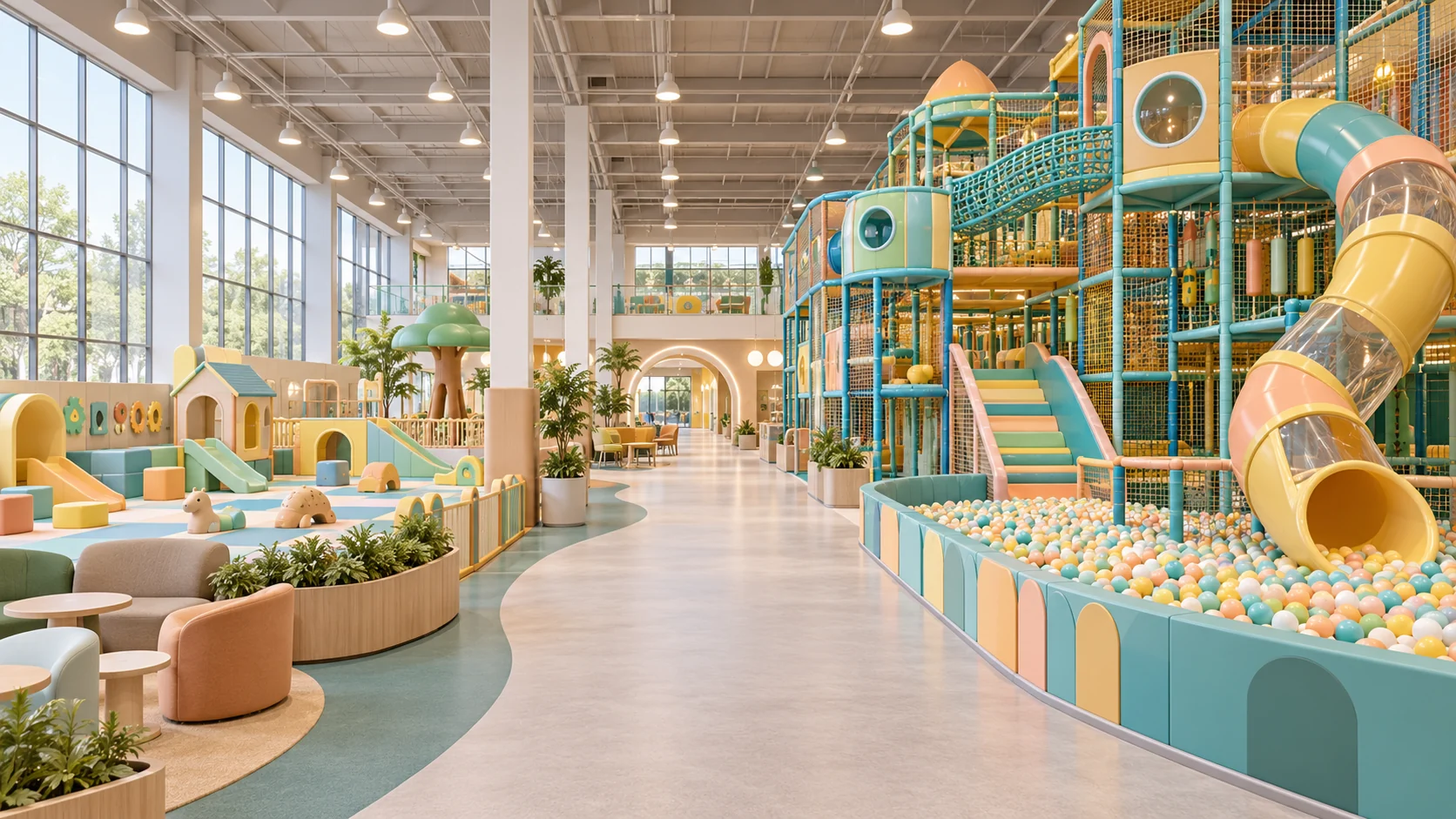
Once a layout is selected, align the drawing, equipment schedule, specifications and quotation. A late change should not appear in only one document.
Ask how equipment substitutions, theme changes and additional services will be approved. Record any consequences for price, production arrangements or installation support. This is particularly useful when the buyer’s designer, purchasing team and site contractor are all contributing instructions.
Confirm handover expectations before ordering: which documents are supplied, how components are identified and how after-sales requests are handled. The final comparison should cover both the initial equipment package and the information needed to receive and operate it.
Prepare the measured venue plan, project location, clear height, fixed obstacles and supporting-area requirements. Define the intended users, essential attractions, theme preferences and budget. State which services you expect from the supplier and which your own team will manage. Supply reference layouts with notes explaining the features you want to compare, rather than asking for a visual copy without specifications.
For soft contained play systems, consult the ASTM F1918 soft contained play equipment standard when discussing the equipment scope and relevant documentation. Check applicability to the actual system and destination; a rendering or quotation alone is not evidence of conformity.
Yes. Ask suppliers to explain how they allocate the budget and identify equipment or services that differ. Keep the site brief and scope boundaries consistent.
No. Compare the intended users, activity mix, specifications and available supporting space. Size alone does not describe the usefulness of the proposal.
They may be shown for context. Confirm each relevant item in the equipment or service schedule instead of relying on appearance.
Its meaning depends on the actual offer. Request a written responsibility list covering equipment, delivery, site work, installation and handover.
Confirm the agreed drawing revision, equipment list, specifications, commercial scope and unresolved items. Use a coordinated approval record.
Commercial indoor playground equipment layouts and supply scope should be evaluated together. A clear proposal explains how the equipment fits the venue and what the supplier will deliver, while making the buyer’s remaining responsibilities visible.
To request a KanbeiPlay comparison, send your floor plan and required supply scope. Include your activity priorities, theme direction, budget and expected support so the proposal can be assessed on more than its rendering.
Quick Answer Before ordering soft play equipment, confirm the cleaning instructions for the supplied materials, access to areas that need
Quick Answer Before accepting shipment from a trampoline park equipment manufacturer, verify the approved configuration, relevant production records, component identification,