
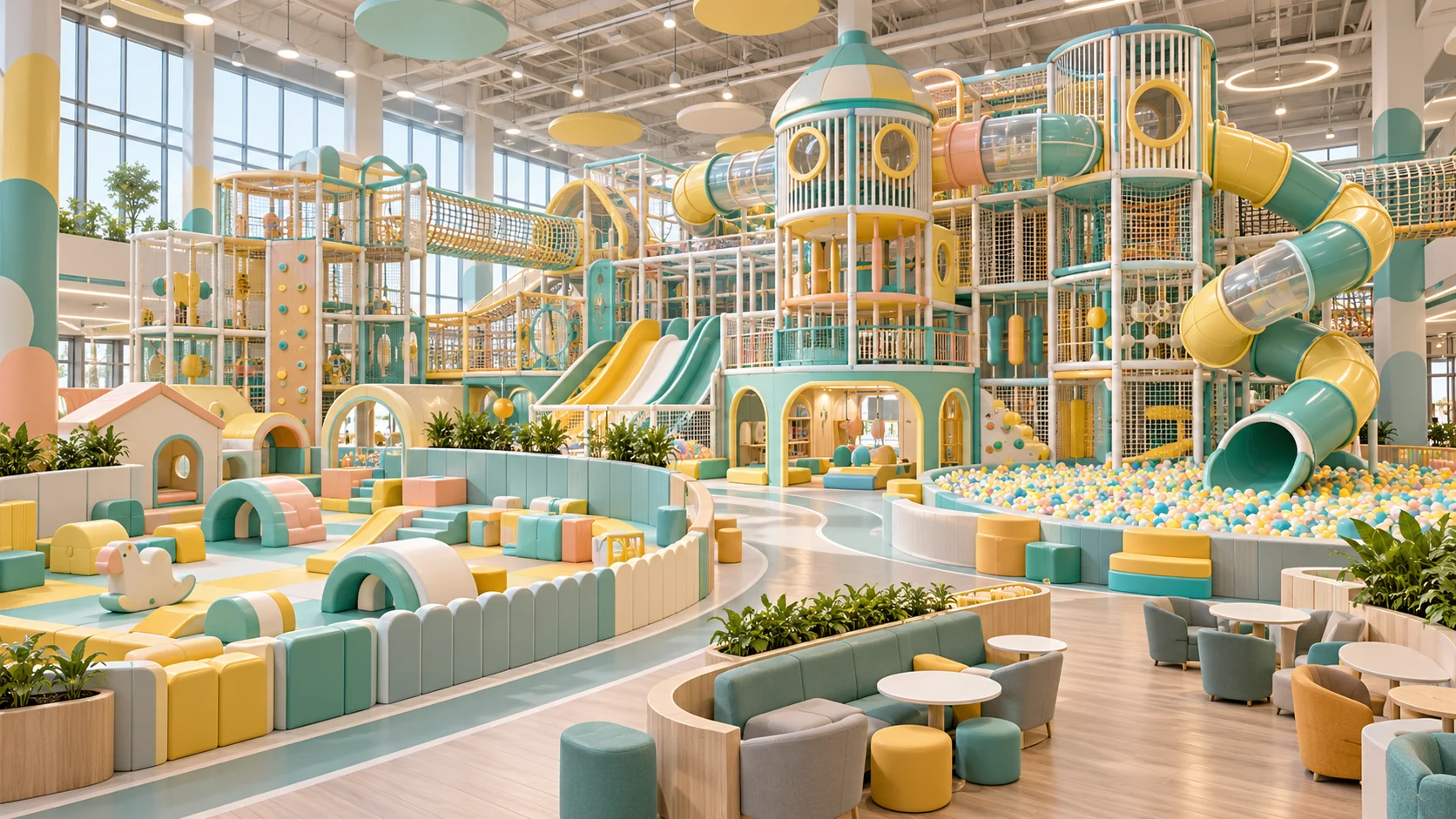
Commercial Indoor Playground Equipment: How to Compare Layouts and Supply Scope
Quick Answer Compare commercial indoor playground equipment proposals in two connected parts: how the layout serves the venue, and what

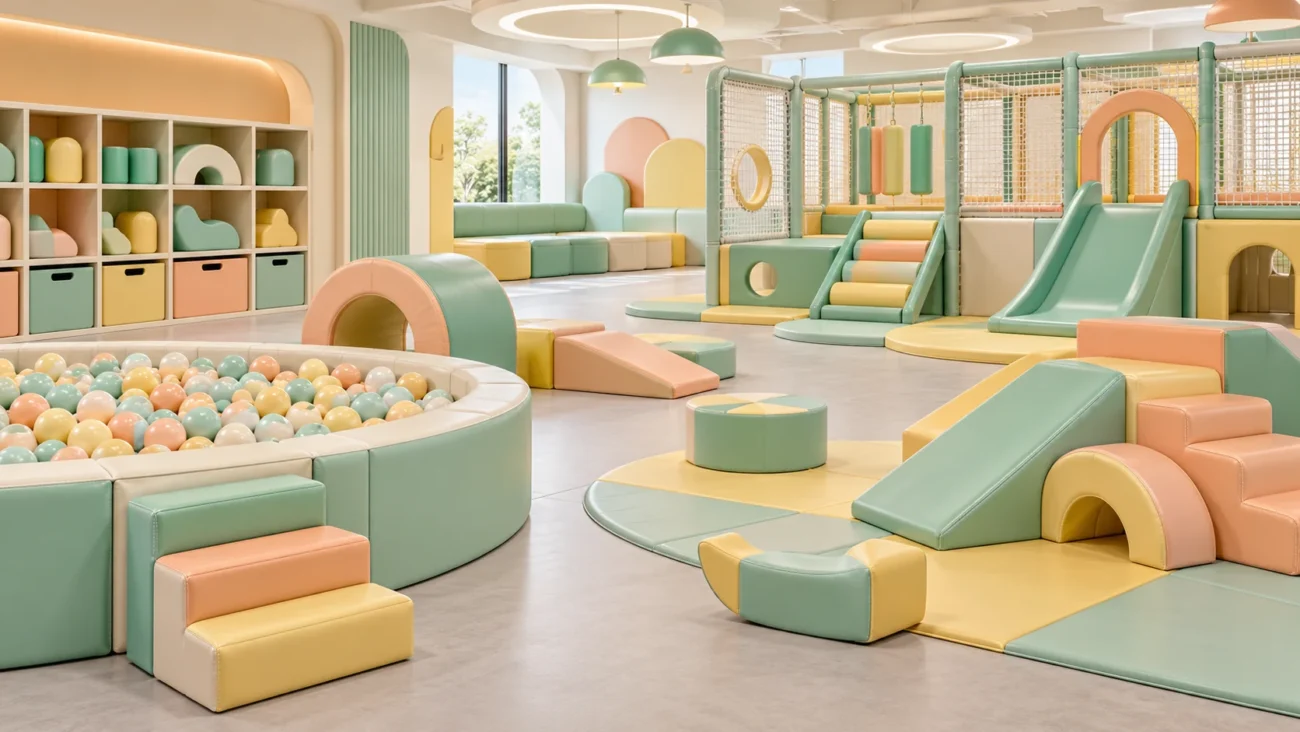
Before ordering soft play equipment, confirm the cleaning instructions for the supplied materials, access to areas that need attention, inspection guidance and the process for replacing worn or damaged components. Request information specific to the selected equipment rather than assuming one cleaning method suits every surface.
KanbeiPlay provides soft play equipment and after-sales assistance within the agreed project scope. Buyers should define the maintenance documents and parts information required before handover. A useful maintenance discussion identifies what the operating team can do, what needs supplier guidance and how the venue will obtain the correct replacement components.
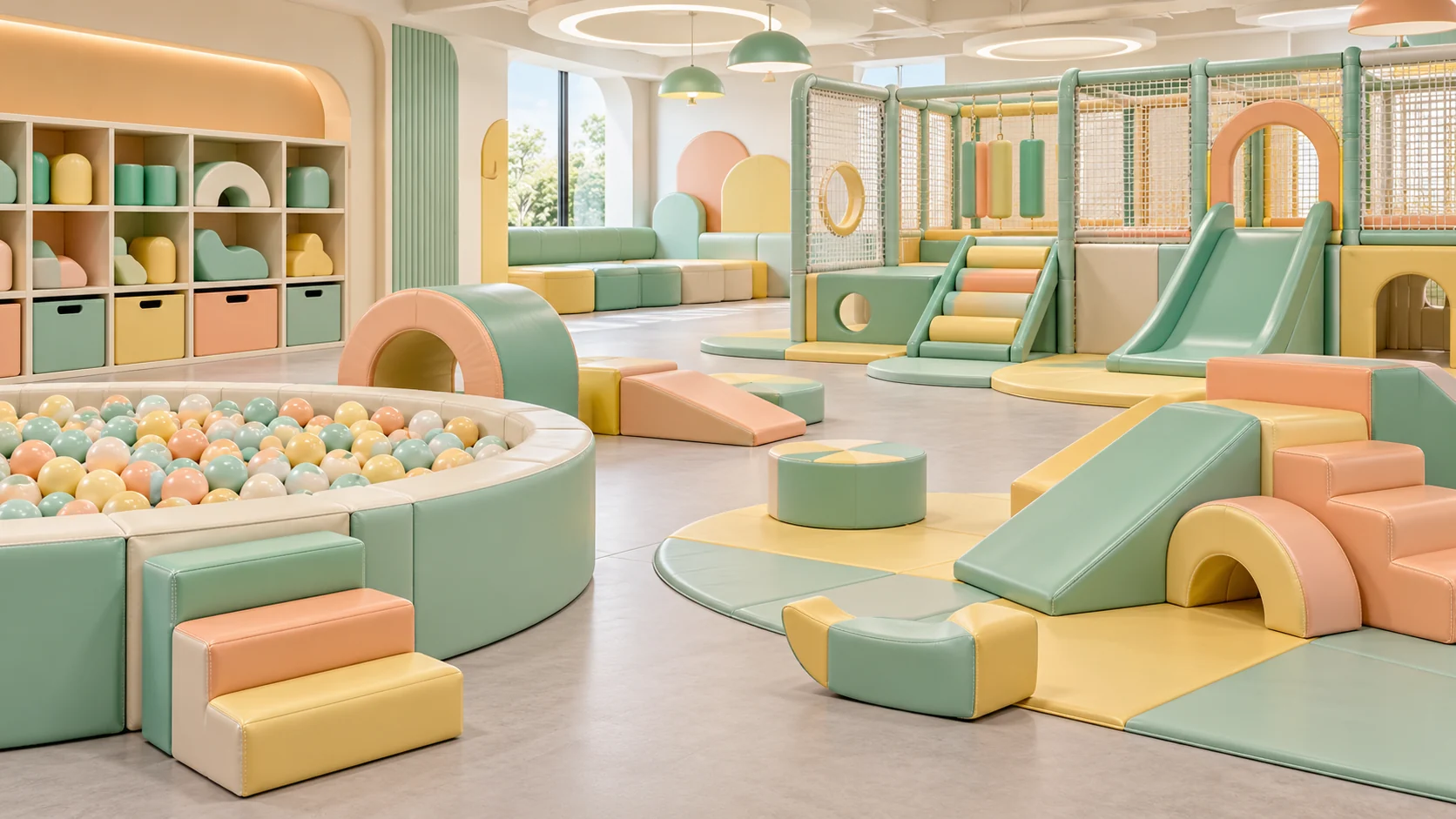
Ask the supplier to identify the relevant surface materials and finishes in the equipment package. Soft coverings, foam components, nets and other materials may have different care instructions.
Request written guidance on compatible cleaning products and methods, including restrictions and any instructions from the product manufacturer. Do not select a chemical or concentration solely because it is commonly used elsewhere in the building.
Keep those instructions with the venue’s cleaning procedures. Staff should know which guidance applies to which component. Where the instructions are unclear, resolve the question with the supplier instead of experimenting on installed equipment.
Separate cleaning tasks from equipment condition checks. A surface can appear clean while a component still needs attention, and a visually intact component may still require the care described in its instructions.
Ask what checks are recommended for the selected configuration, who should carry them out and what records should be kept. The schedule should come from relevant equipment guidance and the venue’s operating arrangements, rather than an invented universal interval.
When reviewing KanbeiPlay’s soft play equipment, include maintenance questions in the buying discussion. The product choice should be accompanied by practical information about cleaning, access and replacement, not just colors and appearance.
Review maintenance access while the layout is still being developed. Ask how staff will reach the relevant surfaces, removable components and areas that may require inspection or cleaning.
If access requires opening panels, moving equipment or isolating a play section, confirm the intended process and which tasks require trained personnel or supplier assistance. Maintenance should not depend on an improvised workaround after installation.
Discuss how an affected area can be taken out of use when work is needed. The operating plan should identify who makes that decision and how the venue follows the applicable equipment guidance. Do not treat continued operation as the default response to an unresolved defect.
Ask the supplier which components may require replacement through use and how those parts are identified. The answer should relate to the actual order, rather than a generic catalog of spare items.
| Parts question | Information to request |
|---|---|
| Identification | Item code, drawing reference or clear component description |
| Compatibility | Applicable model, dimensions and approved specification |
| Availability | Current ordering process and expected supply arrangements |
| Initial spares | Recommended items and separately identified prices |
| Replacement work | Instructions and required support |
| Records | What information should be retained after changes |
Consider whether an initial spare-parts package is appropriate for the project. Request its contents and price separately so it can be evaluated. Do not assume that all replacement items are included in the original equipment order.
Maintenance guidance, warranty terms and replacement-part supply are related but different topics. Ask for each to be explained in the quotation or supporting documents.
Confirm which components are covered, the applicable conditions and how a claim is submitted. Clarify the treatment of wear, damage, replacement labor and transport where relevant. Do not infer one warranty period for the whole venue from a general product statement.
For after-sales enquiries, establish the contact process and the information needed to identify an issue. Clear photographs, component references and a description of the circumstances can make the request more understandable. Any response-time commitment should be recorded only if it is actually agreed.

Maintain a current equipment list, drawings, cleaning guidance, inspection instructions and parts information. Store them somewhere the operating team can access, rather than leaving them only in the purchaser’s email account.
Record equipment changes and relevant maintenance actions. If a component is replaced, update its reference where necessary so future enquiries do not rely on an outdated identification.
Agree the handover requirements before installation is complete. This gives the supplier and venue team a shared understanding of which documents, explanations and support contacts should be available when operational responsibility passes to the buyer.
Describe the venue type, intended users, activity mix and operating arrangements. Explain who will handle routine cleaning and maintenance, what access restrictions exist and where replacement parts can be stored. Share the project location and any procurement constraints affecting future parts orders. Ask the supplier to identify the documents and assistance appropriate to the selected equipment.
The ASTM F1918 soft contained play equipment standard includes maintenance within its scope. Use it as background for discussions about applicable contained play systems, alongside the supplied equipment manual; it does not replace material-specific cleaning instructions.
Do not assume compatibility. Follow the guidance for the actual materials and request clarification before using a product that has not been addressed.
Use the relevant equipment instructions and venue operating requirements to establish the schedule. One generic interval should not be applied to every component.
Discuss the recommended items, their cost and the project’s supply arrangements. The decision should reflect the actual equipment and support plan.
Confirm compatibility and the approved replacement specification before proceeding. Similar appearance does not establish that a part is suitable.
Provide the order reference, component identification, clear photographs and a description of the issue. Include any relevant maintenance or replacement history.
Maintenance planning begins before purchase. Buyers need to understand how the supplied equipment will be cleaned, checked and supported, as well as how it will look on opening day.
For a KanbeiPlay soft play enquiry, share your layout and maintenance requirements. Ask for the care guidance, parts information and after-sales arrangements associated with the proposed equipment package.
Quick Answer Compare commercial indoor playground equipment proposals in two connected parts: how the layout serves the venue, and what
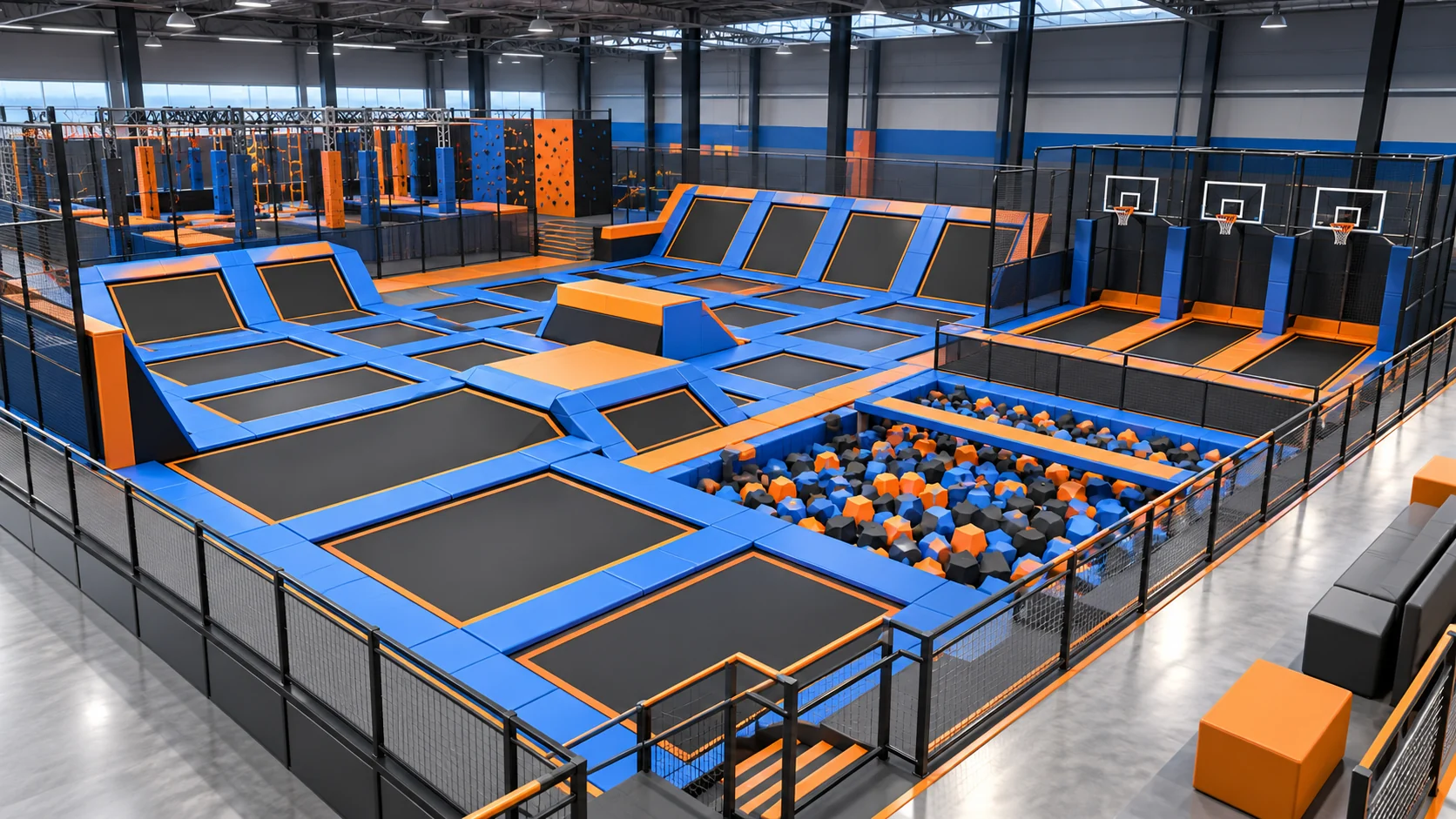
Quick Answer Before accepting shipment from a trampoline park equipment manufacturer, verify the approved configuration, relevant production records, component identification,