
Quick Answer
Family entertainment center equipment for opening should deliver a coherent experience for the intended visitors and fit the venue's available space, operating preparation and budget. Later additions should be treated as separate project decisions with identified space, interfaces and approval needs, rather than assumed easy upgrades.
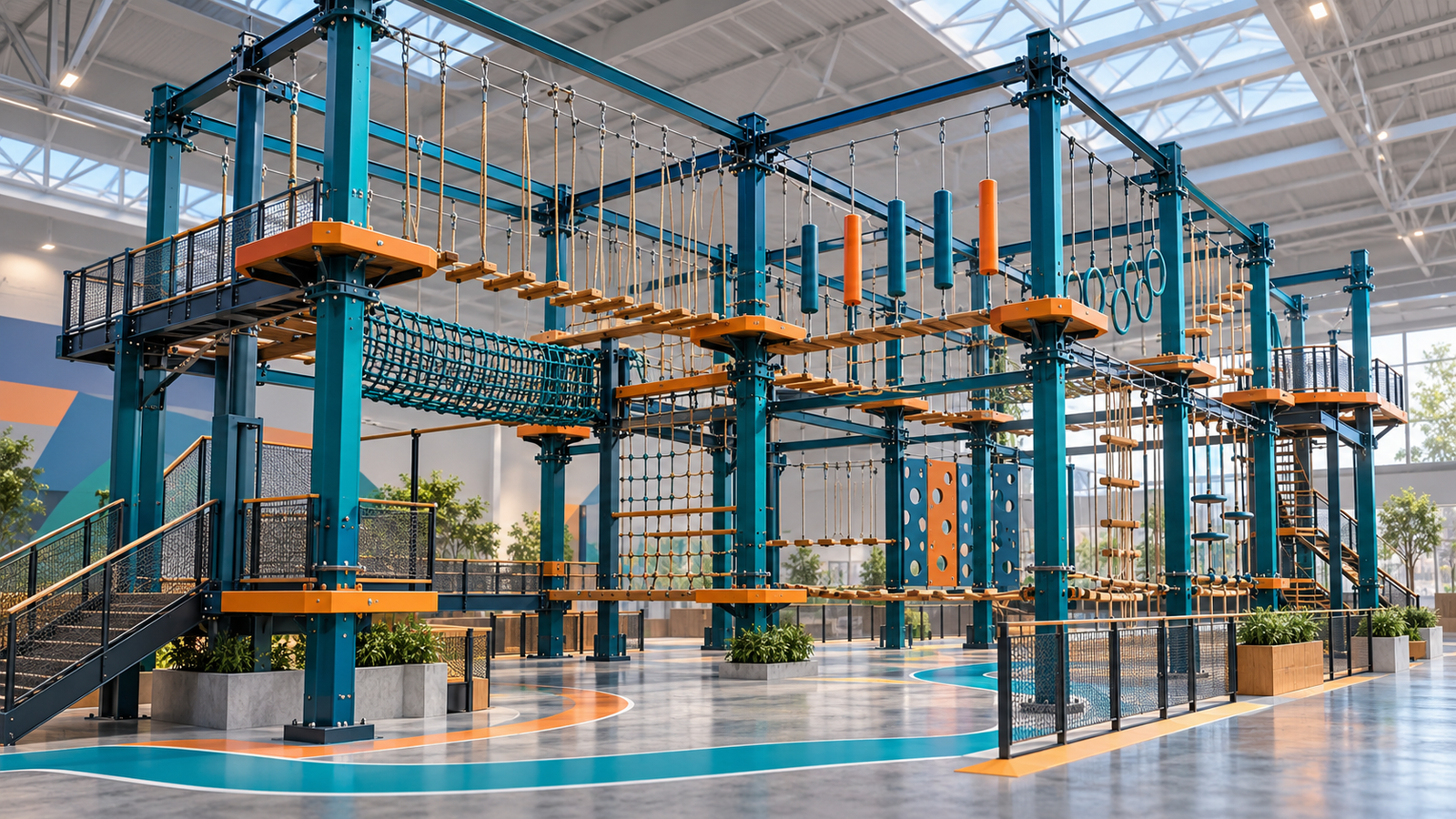
KanbeiPlay supplies several activity categories used in family entertainment centers, including indoor playgrounds, trampoline parks, soft play, ninja courses and adventure play. Buyers can discuss a phased equipment plan, but each proposed stage needs a clear scope. A phased approach should not postpone essential supporting work or leave the opening venue dependent on unfinished attractions.
1. What Should Family Entertainment Center Equipment Offer at Opening?
Define the first-stage customer experience before choosing equipment. Identify the visitors the venue intends to serve and the activities that give them a meaningful reason to visit.
Distinguish the main attraction, supporting activities and the operational spaces needed around them. A list of unrelated equipment can fill a rendering without explaining how a visit will work from arrival to departure.
Set priorities in plain language: which user groups must be served at opening, which play experiences are essential and which features are desirable. This provides a basis for discussing alternatives when the proposed package exceeds the space or budget.
2. Which Family Entertainment Center Equipment Belongs in the Initial Package?
Select family entertainment center equipment that supports those opening priorities and can be prepared for operation as a coordinated package. Confirm intended users, space requirements and the operating information associated with each attraction.
KanbeiPlay's family entertainment center equipment category provides examples for an initial activity discussion. Buyers should request a site-specific equipment list rather than assuming every category belongs in their first phase.
Compare equipment dependencies. If an attraction relies on another structure, access route or operating process, identify that relationship before moving either item to a later stage. The initial package should make sense on its own, with no implied access to equipment that has not been supplied.
3. Which Additions May Be Reasonable to Evaluate Later?
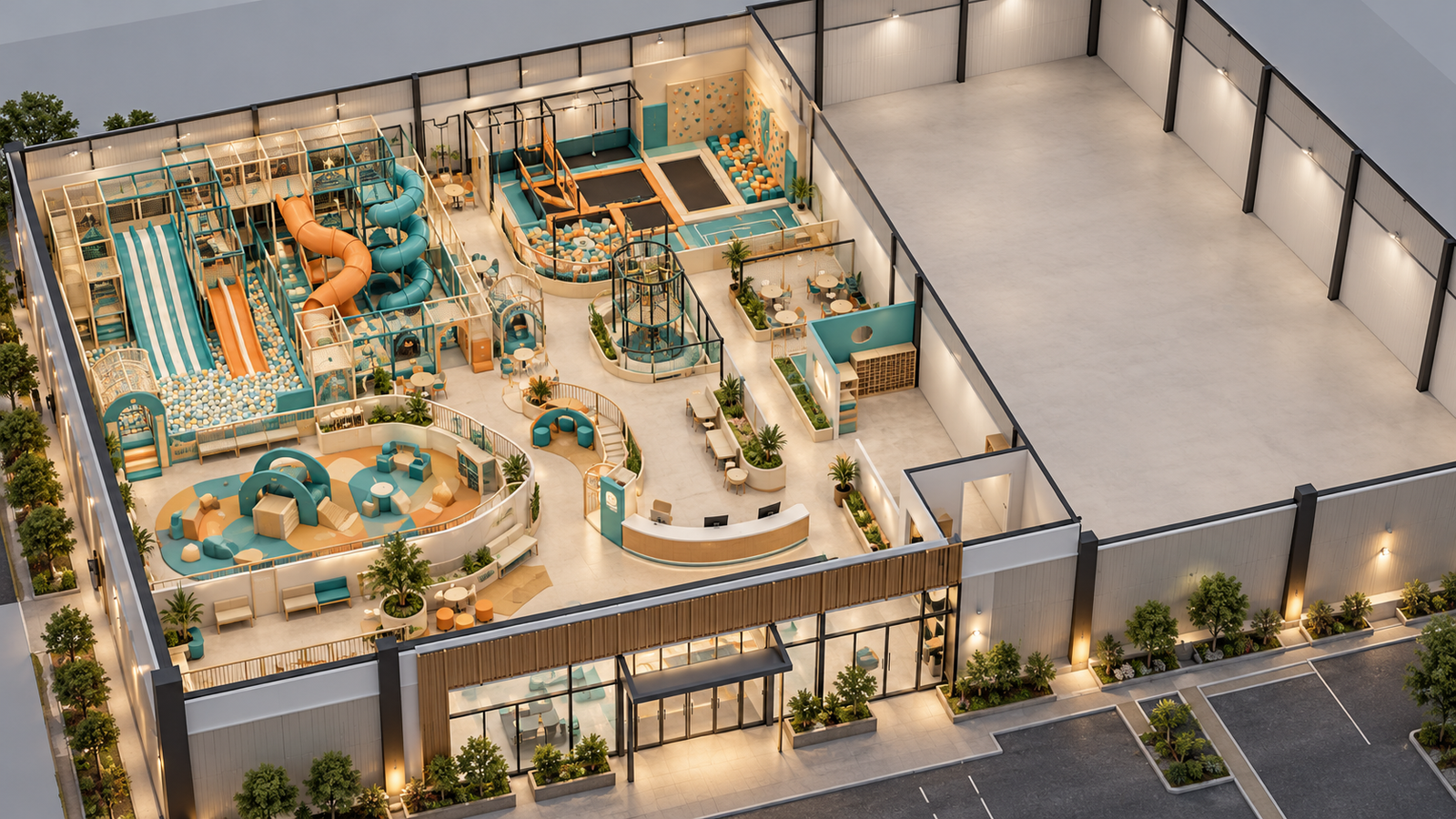
Potential later items might include a distinct activity zone, a revised attraction mix or additional theme features. Their suitability depends on the building, current layout and the selected equipment rather than a universal list of easy additions.
Ask the supplier to explain the assumptions behind each option. Is the attraction independent of the opening package? Would installing it require moving equipment, changing access or revising support arrangements? Those questions affect whether deferral is practical.
| Planning category | Decision to record |
|---|---|
| Opening essentials | Activities required for the first-stage visitor offer |
| Supporting works | Work needed for the opening equipment and operations |
| Possible later additions | Options subject to a future scope and feasibility review |
| Reserved space | Its permitted use during the first stage |
| Interfaces | Information or preparation that must be addressed now |
| Decision trigger | Evidence or business conditions needed before proceeding |
Label later options as provisional. An early concept does not establish a guaranteed future price, availability or installation method.
4. What Must Be Planned Now Even If Equipment Is Purchased Later?
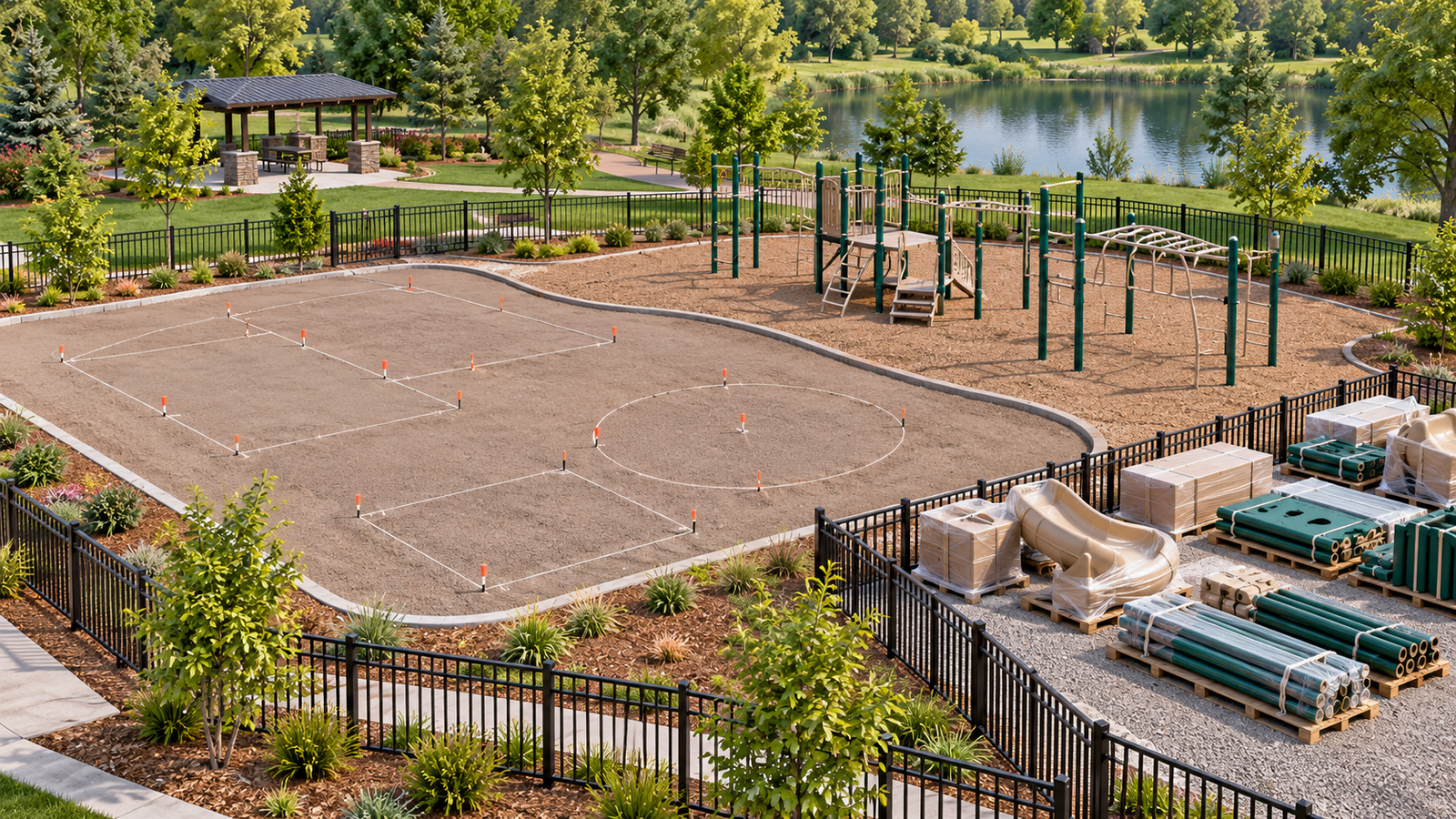
Review how the family entertainment center equipment layout and reserved areas interact with circulation, exits, visibility and supporting facilities. Do not use required operating space as a future equipment allocation without the appropriate review.
Ask the relevant project teams whether proposed future equipment creates building, structural or service questions that should be considered now. Reserve only what can be justified through the current plan and documented assumptions.
Clarify the first-stage treatment of unused space. It should have a defined arrangement compatible with the opening venue, rather than becoming an informal storage or construction area inside customer circulation. Any future change still needs review against the conditions in place at that time.
5. How Should Buyers Compare the Costs of One Stage and Multiple Stages?
Request a clear family entertainment center equipment quotation for the opening package and separately identified information for proposed later options. Separate firm scope from budget assumptions so the buyer knows what is being authorized now.
Discuss costs beyond the additional equipment. Later transport, site handling, local installation, drawing revisions and disruption may need their own allowances. Deferring a purchase does not automatically establish lower total project cost.
Use the venue's own financial planning to decide what it can commit to. Do not justify a phase with unverified visitor numbers or promised returns. The equipment proposal should show scope choices and dependencies while the buyer assesses the business case using its own evidence.
6. What Information Should Guide a Later Expansion Decision?
After opening, record observations relevant to the original plan: which activities are used, where waiting occurs, what visitors request and which operational constraints become visible. Treat these as inputs to a review rather than automatic proof that more equipment is needed.
Recheck measurements and the current family entertainment center equipment arrangement before ordering additions. Changes made during the initial fit-out or early operation may affect the assumptions behind an older expansion concept.
Request an updated proposal covering equipment compatibility, documents, site work, installation and operating preparations. A new stage should have its own approval and handover process. Keep the current venue's records updated as equipment and responsibilities change.
Example: Compare Two Opening Packages Before Choosing a Phase
The following is an illustrative planning exercise, not a KanbeiPlay customer result. Imagine two proposals for the same building. Package A concentrates on a main play structure, a separate younger-child zone and the supporting reception and seating areas. Package B includes more attraction types but leaves some proposed activities dependent on a later purchase. Compare what a visitor can actually do on opening day before deciding which rendering looks more complete.
For each family entertainment center equipment package, trace the visitor journey from arrival to activity selection and departure. Identify any step that depends on unfinished work or an unavailable attraction. A future feature can remain optional, but an essential part of the opening experience needs an owner, a defined scope and a realistic place in the current plan.
Next, compare the preparation required for each proposal. Ask the supplier which documents relate to the opening configuration and which describe future options only. Request a separate list of unresolved site information. This makes it easier to distinguish a complete current offer from a concept that still relies on decisions the buyer has not made.
Use a Written Decision Record for Every Deferred Attraction
Create one record for each proposed later attraction. Include its intended user group, the experience it would add, its provisional position and the reason it is being deferred. Record which assumptions came from the supplier, which came from the buyer and which still need professional review. A label such as “phase two” is not enough to explain a purchasing decision months later.
Add the consequences of proceeding now versus later. These may include separate delivery arrangements, drawing revisions, site access or changes to supporting areas, depending on the project. Ask for confirmation instead of assigning a saving to postponement without evidence. If a later installation could disturb the operating venue, record that issue alongside the equipment discussion.
Keep the family entertainment center equipment record with the approved floor plan. Name the person who can authorize the next review and identify the information required before that review begins. This prevents a provisional attraction from being mistaken for an approved order simply because it appeared in an early rendering.
Collect Opening-Stage Observations That Answer Specific Questions
Plan observations around decisions you actually need to make. If the question is whether visitors need a different activity, record requests and activity choices. If the concern is waiting, identify the location and circumstances rather than assuming the attraction itself is too small. If circulation is difficult, examine the route and supporting areas before proposing additional equipment.
Separate observations from interpretations. A queue may be related to how entry is managed, the timing of a group visit or the operating arrangement; it does not automatically prove that a new attraction is the best response. Keep the context with each observation so the supplier and venue team can discuss alternatives against the same information.
When family entertainment center equipment changes are considered, compare an equipment addition with other reasonable responses, such as a revised activity arrangement or a change to the supporting layout. Record the assumptions and responsibilities associated with each option. The buyer can then assess the business case using its own verified operating information.
Prepare a Separate Approval Package for the Next Stage
Before ordering an addition, assemble the current measured plan, existing equipment list and relevant handover records. Describe changes made since opening and identify any parts of the old expansion concept that are no longer accurate. Give the supplier a clear description of the intended change rather than asking it to work from an outdated picture.
The next family entertainment center equipment proposal should identify its own deliverables, installation arrangements and affected interfaces. Ask who coordinates the existing equipment, local work and any updated operating information. Keep the approved scope separate from options still under discussion, and define how outstanding issues will be closed before the new area is released for use.
After completion, update the equipment references and maintenance information held by the operating team. Retain the revised drawings with the decision record and supplier contact details. This gives future purchasers and maintenance staff a current description of the venue instead of several conflicting versions of the original plan.
What Information Should Buyers Prepare?
Prepare the venue plan, clear heights, target users, opening experience brief and budget boundaries. Distinguish first-stage commitments from ideas for later review. Include supporting areas, operating plans and available building information. Explain how much disruption the venue could accommodate for future work, and identify the evidence you intend to collect before deciding on expansion.
Common Mistakes to Avoid
- Selecting a first phase that only works if later equipment is added.
- Treating required circulation as reserved attraction space.
- Assuming future installation will not affect the operating venue.
- Comparing only equipment prices across phases.
- Using unverified revenue promises to justify additional purchases.
Frequently Asked Questions
Is phased purchasing always preferable to buying everything together?
No. Compare the opening offer, project dependencies and complete costs. The appropriate approach depends on the venue and business plan.
Can buyers reserve space without choosing the exact future attraction?
They can discuss a provisional area, but its assumptions and first-stage use need to be clear. The eventual equipment still requires a feasibility review.
Which equipment should be postponed first when the budget is limited?
Revisit essential user experiences and dependencies. Compare optional items individually rather than removing activities simply because they cost more.
Can an operating venue remain open during expansion?
That depends on the work and site arrangements. Review separation, access and operating implications with the responsible teams before planning the installation.
Should later additions use the original drawings?
Use current site information. Earlier drawings can explain the intention, but the final proposal should reflect the venue as it actually exists.
Commercial Buyer Checklist
For U.S. play-area projects, the U.S. Access Board play-area guide discusses phased designs. Ask the responsible project professionals which accessibility provisions apply to each stage and to the completed arrangement; this reference is not a certification of the proposed equipment.
- Define the opening visitor experience.
- Identify essential user groups and activities.
- Confirm the initial equipment schedule.
- Map dependencies between attractions.
- Reserve supporting and circulation space.
- Label future options as provisional.
- Review interfaces requiring early decisions.
- Compare complete costs across stages.
- Establish evidence for later investment decisions.
- Require updated approvals for each addition.
Final Thoughts
A phased FEC plan should make the opening venue complete for its intended purpose while keeping future choices explicit. The goal is a defined first-stage experience with a realistic path to reviewing later additions.
For a KanbeiPlay discussion, send your floor plan and opening-stage priorities. Include the target visitors, budget range, intended opening period and activities you may consider later so the proposed package can distinguish current commitments from future options.