
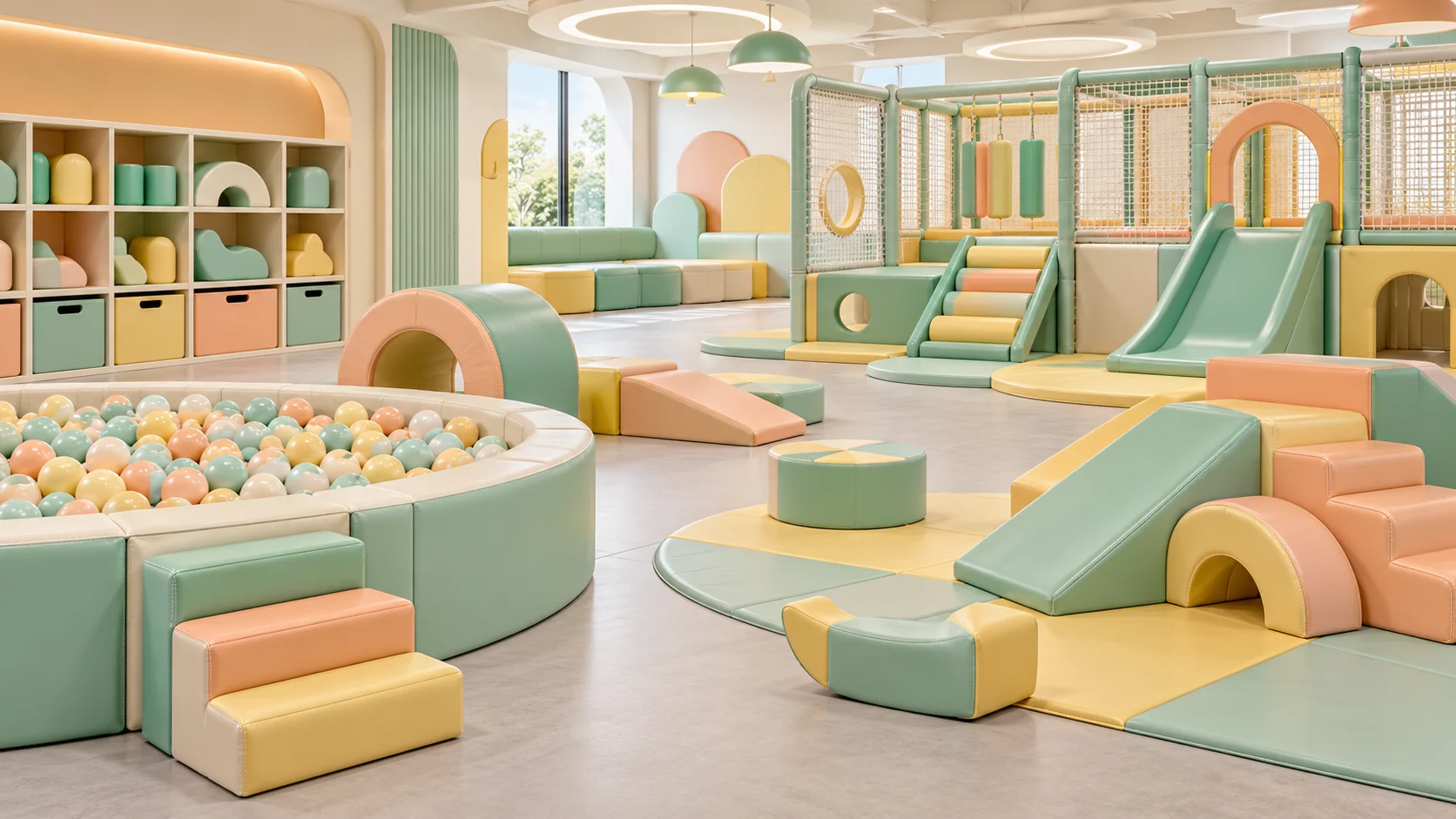
Soft Play Equipment Maintenance: What Should Buyers Confirm About Cleaning and Replacement Parts?
Quick Answer Before ordering soft play equipment, confirm the cleaning instructions for the supplied materials, access to areas that need

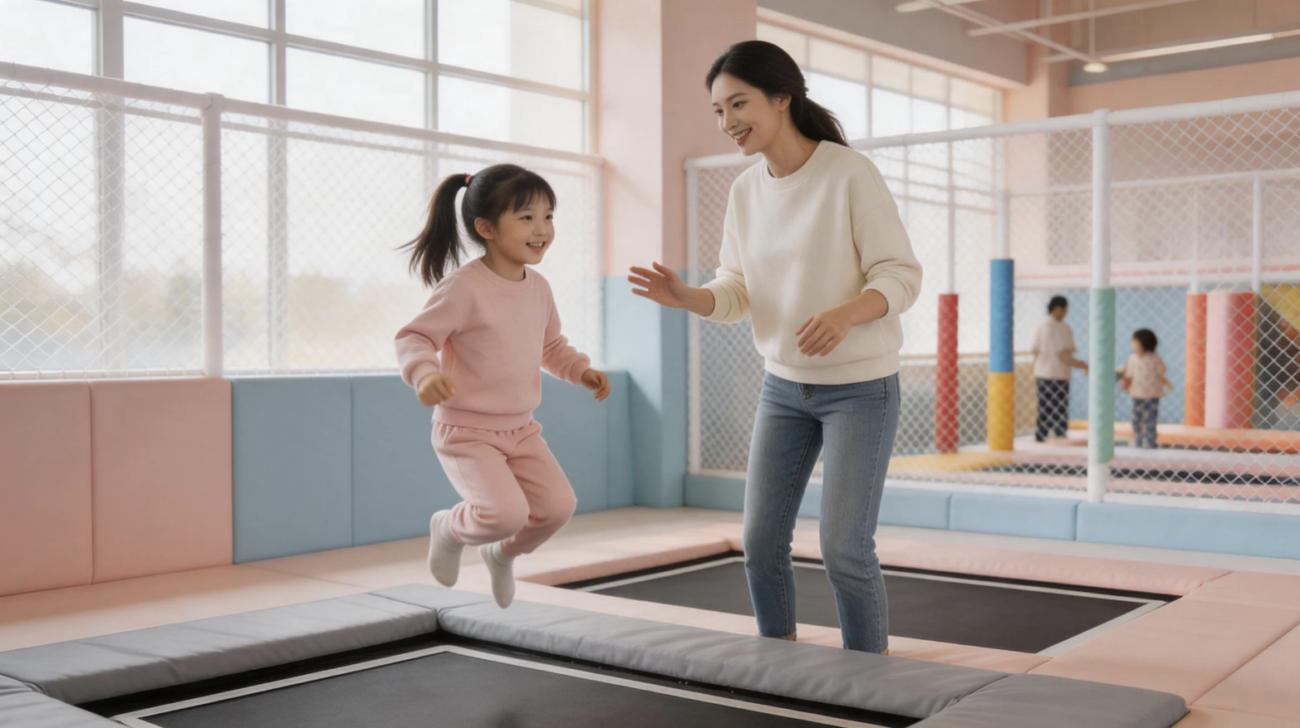
If you want to learn how to start an indoor trampoline park, you first need to understand what this business is really about.
It’s an indoor entertainment spot with different trampoline zones and fun facilities. It mostly serves kids, families with young children, teenagers, and young adults. We make money through daily tickets, birthday party packages, membership plans, and food and drink sales.
Wondering how to start an indoor trampoline park business? This industry has been growing steadily.
By 2030, the global market is expected to reach about $3.7 billion, leaving plenty of space for new operators. Right now is a really good time to jump in.
Three core points decide profitability: strategic location, strict safety management, and diversified revenue streams.
Great spot guarantees steady foot traffic. Sticking to safety standards can greatly lower legal and liability risks. At the same time, running multiple income lines keeps your cash flow steady.
Precise marketing is also an essential supporting factor for starting an indoor trampoline park business.
Today’s trampoline parks commonly use simple digital tools like online booking, contactless check-in, and real-time visitor tracking.
Core visitors mainly consist of parent-child families, young people, along with school groups, early education centers, and company teams. Precise audience targeting plays a key role in how to start an indoor trampoline park business, as it lets you create customized pricing and activity packages.
Take time to research other entertainment venues nearby, and look closely at their pricing, customer reviews, and marketing strategies.
Avoid saturated areas with too many mature parks. Finding gaps and building your own strengths will help you succeed in starting an indoor trampoline park business.
You can check local demand by using surveys, watching visitor flow at nearby parks, analyzing local population data, and talking with local businesses about potential cooperation.
Only strong local demand will support steady, long-term operation once you learn how to start an indoor trampoline park business.
Building a varied income structure is one of the most important parts of how to start an indoor trampoline park business.
Food and beverage: It makes sense to stick with simple, kid-friendly quick bites. You can also offer party catering bundles to drive extra sales for birthday celebrations and group gatherings.
Arcade games: Setting up arcade areas close to entrances and exits is a practical move. It naturally draws more guests and keeps game participation high.
Merchandise: By selling branded items such as water bottles, the park can drive more impulse purchases with its unique gear.
Popular pricing strategies include cost-plus pricing, value-based premium pricing, bundled packages, and loyalty discounts. This approach keeps how to start an indoor trampoline park business competitive while protecting overall profit levels.
Investment scales for indoor trampoline parks are divided into small, medium, and large categories based on site area. The larger the site and the more complete the supporting facilities, the higher the initial investment will be.
Mainly include equipment, site renovation, personnel, insurance, and pre-opening marketing expenses — core costs you must know for how to start an indoor trampoline park business.
Understanding these costs is critical for indoor trampoline park startup planning.
Equipment is the largest upfront investment, accounting for nearly half of the total cost.
You must select qualified and certified equipment to start an indoor trampoline park business.
Industrial sites are the first choice with lower rent and higher floor height.
Renovation involves ground reinforcement, ventilation transformation, and playground layout.
It is recommended to sign a long-term lease and negotiate a rent-free period to ease initial capital pressure for starting an indoor trampoline park business.
Including training expenses, monthly payroll, utility bills, and daily maintenance costs.
Reasonable staffing allocation and standardized daily maintenance can effectively control long-term operating costs for starting an indoor trampoline park business.
Most parks achieve break-even in 18–36 months. Daily passenger flow and revenue structure directly affect the return cycle.
Optimizing event schedules and party bookings during off-peak hours can speed up capital turnover and improve your overall return on investment (ROI) for how to start an indoor trampoline park business.
Clear financial forecasting in your trampoline park business plan will help you estimate ROI and break-even timelines.
Site selection should follow three key standards: strong foot traffic, a good match with local demographic profiles, and cost-effective industrial-space options.
It’s best to avoid pricey downtown and enclosed locations with little passing foot traffic — a critical rule for how to start an indoor trampoline park business.
Prioritize suburban residential neighborhoods, areas around schools, and spots next to shopping malls. These locations bring steady foot traffic to guarantee a solid customer base for starting an indoor trampoline park business.
The minimum site area is 10,000 square feet, and the net height is at least 14 feet. Too low a floor height will bring hidden safety risks and limit the design of amusement projects. The layout should be open to facilitate zone division.
Negotiate long-term lease terms and rent increase caps well in advance.
Make sure the space is zoned properly for entertainment use, and pass all building code and fire safety inspections before moving in — mandatory steps for how to start an indoor trampoline park business.
There are various core functional zones in an indoor trampoline park.

 Dodgeball court: A fully fenced trampoline space made just for dodgeball. Super popular for birthday parties and casual group get-togethers.
You need to prioritize safety. Opt for high-quality steel frame structures and high-density foam safety materials. Always check the manufacturer’s warranty policy and complete after-sales maintenance services — non-negotiable for how to start an indoor trampoline park business.
All hard corners are wrapped with thickened foam, equipped with high-strength protective nets, and non-slip ground materials. Safety signs and monitoring duty points are arranged throughout the venue to reduce the risk of injury.
Trampoline parks have high accident risks, and must purchase comprehensive liability insurance, special trampoline insurance, work injury insurance, and property insurance to avoid huge compensation losses caused by accidents.
You are advised to strictly abide by U.S. ASTM and European EN safety standards, as well as local fire control, health, and accessibility regulations. It is best to conduct regular third-party safety inspections to keep your playground fully compliant all year round.
You can use an electronic waiver system to let guests sign online and store records in the cloud. Make sure to include guardian consent rules for minors, and update your waiver forms regularly to lower legal risks.
Train your staff in first aid on a regular basis. Keep a close eye on venue capacity, and set clear age and weight limits for all visitors. Do daily equipment checks and run emergency practice drills often, so you can prevent safety problems before they happen.
Formulate standardized procedures for pre-opening inspections, daily guest services, and closing arrangements. Strictly follow sanitation protocols and equipment inspection procedures, and standardize guest service to ensure smooth daily operations.
You can hire and assign dedicated roles, including park manager, front desk staff, trampoline attendants, party hosts, food and arcade staff, and maintenance technicians. Clear job responsibilities help you balance service quality and labor costs.
You can set up regular routines for daily cleaning, weekly upkeep and monthly in-depth checks. Keeping enough spare parts in stock and replacing aged protective materials and faulty equipment promptly helps prolong their service life.
Doing daily item-by-item checks on trampoline facilities, amusement rides and fire safety equipment helps identify potential hazards, lower accident risks, and keep the venue safe and fully compliant.
Optimize your Google Business Profile. Naturally embed local core search keywords into your layout, and build up steady high-star reviews.
With strong local SEO, you can attract nearby customers searching for how to start an indoor trampoline park business.
Run social media pages on Facebook, Instagram and TikTok. Post real in-park clips and latest event updates regularly. Team up with local content creators to bring in more guests, and launch targeted online ads to reach potential customers efficiently.
Cooperate with schools, kindergartens and community organizations to launch study tours and group activity packages, and stabilize group order sources for a long time.
Launch tiered birthday party packages, launch off-season preferential activities, set up referral rewards mechanism, and use real case display to attract more party bookings.
Launch off-peak discounts, member exclusive benefits, holiday limited activities and combined package sales, increase customer unit price and repeat visit rate through diversified promotions.
A bad location will lead to low foot traffic from nearby residents and tourists. It makes it hard to attract steady walk-in customers and limits long-term revenue growth — a top mistake in how to start an indoor trampoline park business.
Underrated insurance budgets will cause unexpected financial pressure later on. Any accidental injury or facility damage may bring huge compensation risks to the park.
Insufficient safety management greatly increases the risk of onsite accidents. It will also damage brand reputation and easily lead to customer complaints and bad reviews.
Without a clear marketing plan, the venue can hardly gain exposure online and offline. It results in low popularity and makes it difficult to fill customer flow during off-peak seasons.
Blind overinvestment before checking local market demand will cause severe resource waste. High fixed costs will bring heavy operating pressure and slow profit returns.
After the single store is profitable, replicate the model to expand into surrounding cities. You can form operation specifications and reduce overall cost through centralized procurement and management.
Established brands can open up franchise partnerships. They charge upfront franchise fees plus ongoing royalties, while offering end-to-end support including site selection, store decoration, staff training and daily operational guidance.
We refresh our amusement offerings every year, roll out seasonal themed events, and roll out large-scale event hosting services. This helps us keep upgrading the visitor experience and build long-term loyalty with regular customers.
Complete all required legal filings and certifications in advance.
You first need to finish industrial and commercial registration and get your official business license.
Next, apply for the zoning construction permit and fire safety certificate.
Lastly, secure the entertainment operation permit and catering health permit following official rules.
Complete all insurance purchases and filing, keep valid insurance certificates, and review and adjust insurance coverage every year.
Finish all equipment installation and arrange a third-party safety inspection.
Test every facility one by one to ensure stable performance. Provide professional training for maintenance staff.
Complete post-training, pass first aid certification, and simulate peak business and emergency disposal drills.
Launch official website and social media accounts, arrange opening event planning and influencer preview promotion.
Q1: How much does it cost to start an indoor trampoline park?
A: Initial investment is divided into small, medium and large parks by area, with a large span of total funds.
The core expenditure is concentrated in equipment purchase, site rent and renovation, insurance and personnel pre-operation cost.
A solid indoor trampoline park startup budget will help you avoid overspending.
Q2: Is an indoor trampoline park profitable?
A: Standardized operation with reasonable site selection and diversified revenue can form stable profit levels. Controlling operating costs and relying on membership and group orders can further improve net profit margin.
Q3: How much space is needed for a trampoline park?
A: The required space for a trampoline park varies by scale and target visitors.
| Park Type | Target Crowd | Required Area | Maximum Capacity | Recommended Ceiling Height |
| Mini Park | Kids aged 5–12 | 500 ㎡ | 100 people | ≥5 m (optimal: 5.5–6 m) |
| Standard Park | All age groups | 1100 ㎡ | 220 people | ≥5 m (optimal: 5.5–6 m) |
Q4: What licenses are required?
A: Including general business license, entertainment operation permit, zoning building permit, fire safety certificate, catering health permit and tax registration formalities.
Q5: What is the biggest risk in this business?
A: The biggest risk in the trampoline park business is guest injuries caused by improper facility use and insufficient on-site supervision.
Kanbei Play mitigates these risks with certified playground equipment and comprehensive safety operation standards.
If you want to open your own indoor trampoline park, take it slow and follow a clear plan — it’s the easiest way to avoid costly beginner mistakes.
Choosing a prime location, designing your core play zones, getting safety standards in place, finishing all legal formalities, and setting up reliable revenue streams all play a huge role in your success.
Stick to smart budgeting, daily safety checks, and simple local promotions. Do these things right, and your park can grow steadily and stay profitable for years. If you want professional, safe equipment and full support for your park, Kanbei Play is ready to help.
Got any questions about your trampoline park business? Just ask us — we’re here to help.
Quick Answer Before ordering soft play equipment, confirm the cleaning instructions for the supplied materials, access to areas that need
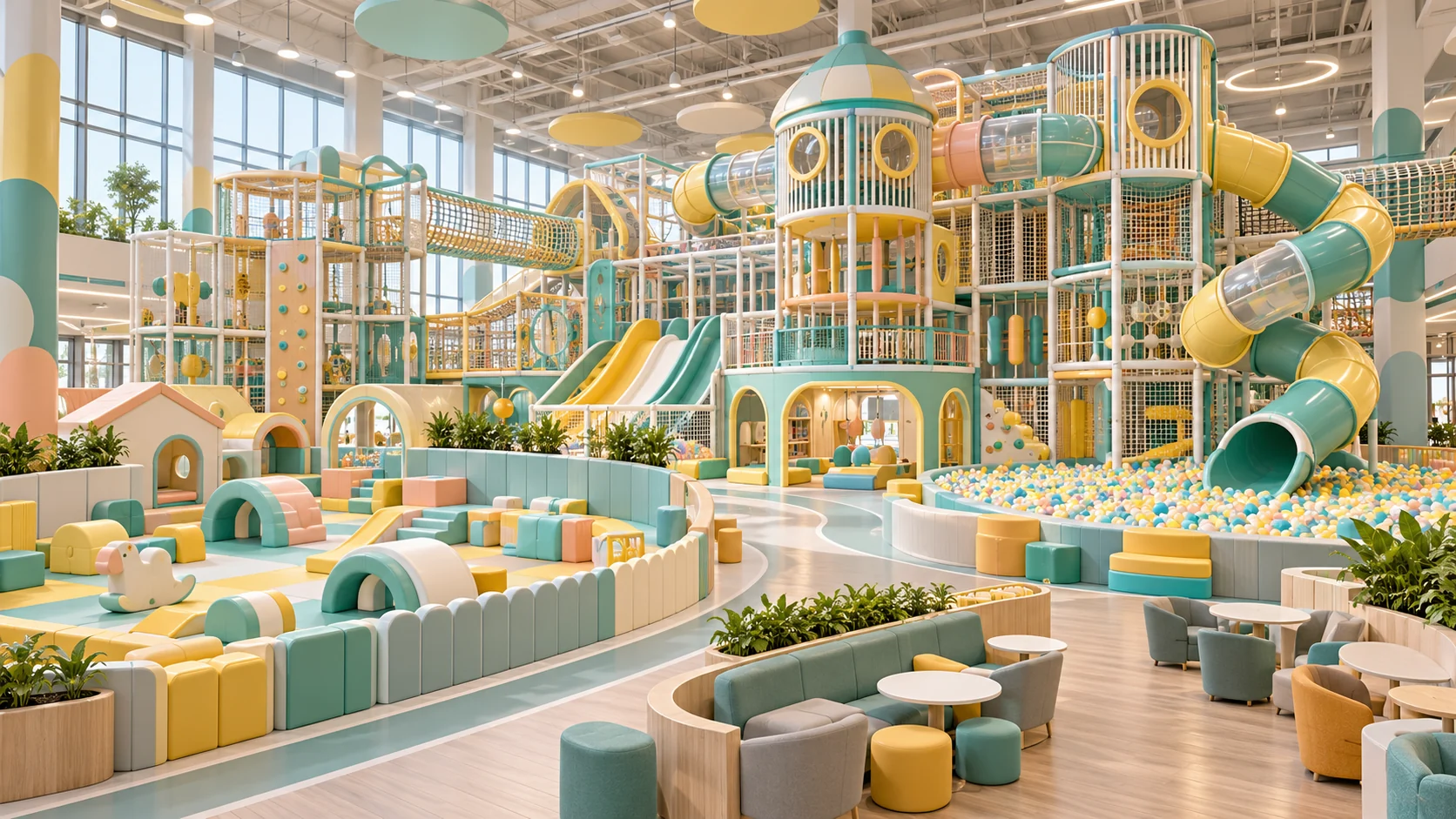
Quick Answer Compare commercial indoor playground equipment proposals in two connected parts: how the layout serves the venue, and what