
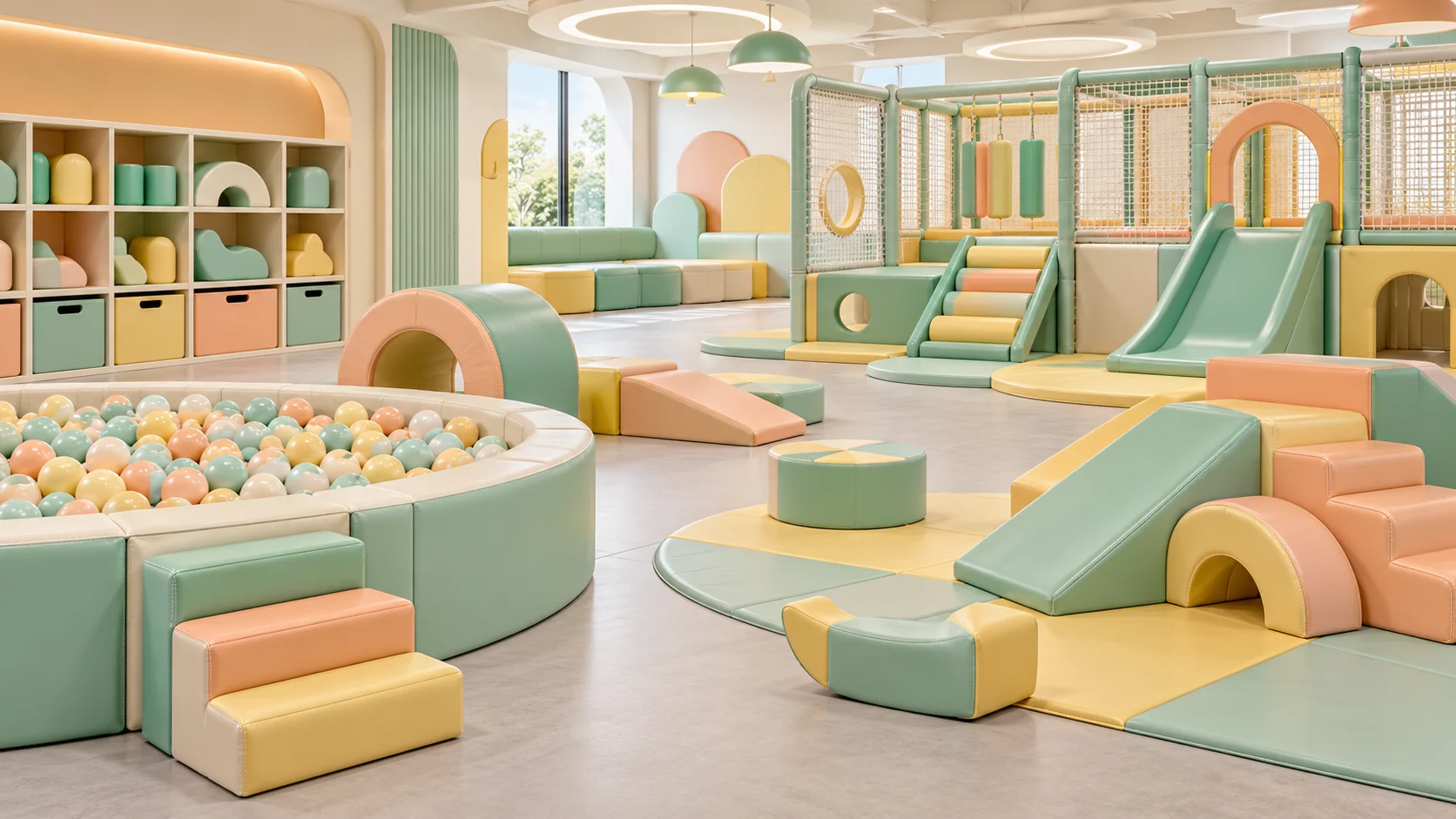
Soft Play Equipment Maintenance: What Should Buyers Confirm About Cleaning and Replacement Parts?
Quick Answer Before ordering soft play equipment, confirm the cleaning instructions for the supplied materials, access to areas that need

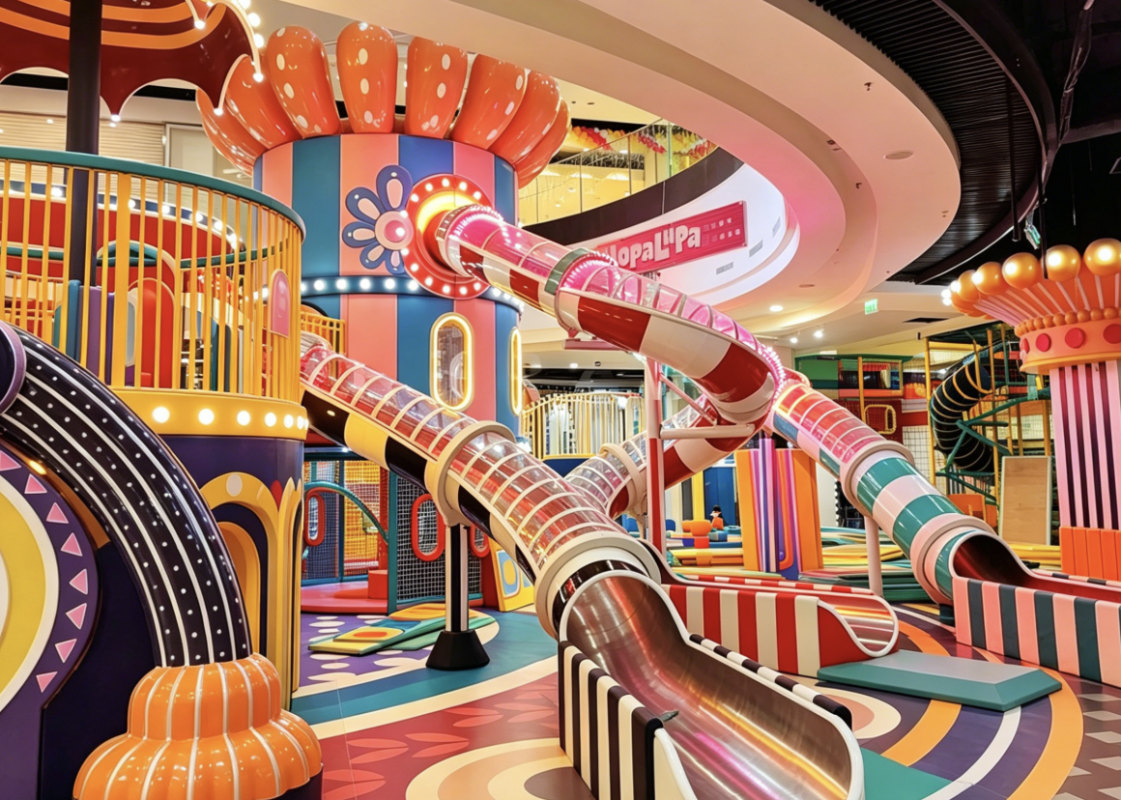
Indoor playground design trends 2026 are reshaping the whole entertainment industry at a fast pace. Modern parents are moving past ordinary play spaces, favoring engaging experiences that align with indoor playground design trends 2026.
Old-fashioned slide and swing set layouts are gradually fading out. More operators prefer themed spaces that blend fun and interaction, a key direction highlighted in indoor playground design trends 2026.
These vivid settings let kids get fully engaged, far beyond simple physical play, and create unforgettable visiting moments.
Target groups keep expanding steadily. Today’s parents look for nice parent-child hangout places that follow indoor playground design trends 2026. Shopping centers need popular kid zones to draw more visitors, while FEC business investors are actively seeking practical, profit-making children’s entertainment projects. They greatly fuel the update of indoor playground design.
Keeping up with the latest indoor playground trends 2026effectively improves business profitability. Unique designs can greatly increase on-site consumption, birthday party reservations and group order volume.
Comfortable, safe and age-inclusive play environments easily gain parents’ trust. They boost visitor satisfaction and encourage more return visits, helping playground owners earn steady long-term profits.
Three things drive indoor playground design trends 2026. First, new technology makes play more fun for kids. Second, stricter global safety rules like EN1176 and ASTM push designers to use safer materials and stronger structures. Finally, families want more than just a play spot—they want fun, memorable visits.
Indoor playground design has advanced greatly since 2020. Back then, it focused on basic play equipment like slides and ball pits. By 2023, some themed playgrounds had emerged. In 2026, multi-age activity spaces and educational play concepts have gained huge popularity. Meanwhile, interactive digital elements have become mainstream, driving traditional playgrounds to upgrade rapidly.
Today’s indoor playground operators have clear, practical expectations for design.
Operators want playgrounds that are easy to maintain. They need designs that attract families and keep them coming back, so uniqueness and comfort count. Most importantly, they look for designs that balance safety, fun and profitability.
Immersive themed styles are taking over indoor playgrounds in 2026, a core highlight of indoor playground trends 2026, bringing vivid fantasy scenes to life. Think magical woods, space journeys and lovely fairy tale towns. Kids can truly get inside these story settings, instead of simply playing nearby.
The magic of themed areas comes from mixes of lights, sounds and visuals.
The lights change while kids play and you hear sounds like birds chirping, which makes it feel nice. There are also wall paintings and 3D stickers that complete the scene.
All these things. Lights, sounds and visuals. Work together so kids really get into the theme and have fun for a time.
Kids love themed areas because they feel like they are in a world. The mix of everything makes it a fun place to play, which is why this feature leads indoor playground design trends 2026.
Immersive designs from indoor playground design trends 2026 make kids really curious and keep them engaged.
Kids tend to stay longer, giving families time to relax and offering operators more chances to earn extra profits. Since children feel immersed in story-like settings, they hardly get bored.
Parents enjoy seeing their kids have great fun, and longer staying time also encourages families to come back again for more themed entertainment.


In 2026, indoor playgrounds adopt flexible modular structures to maximize space.
Movable facilities such as climbing walls, play pods and tunnels allow easy layout adjustment to suit various spaces while keeping great play fun, meeting the practical needs of indoor playground design trends 2026.
Flexible layouts are great for changes and special events, a flexible advantage of indoor playground design trends 2026.
People who run these places can change things around for holidays or summer breaks or birthday parties. They can add things, like decorations or move things around so lots of kids can play together.
This way the playground always feels new. Families want to come back and have new fun times at the playground.
Modular play designs help owners cut costs in the long run, a practical value of indoor playground design trends 2026.
They don’t need to change whole play sets, and can simply replace or add new parts when styles update or facilities get worn out. This flexible setup also fits different guest demands.
It works well for busy hours with more kids or for children of different ages, making the playground more useful and bringing in steady profits.
Playground equipment trends continue to lean toward modularity and adaptability for long-term value.
More playgrounds adopt kid-friendly AR and VR functions to enrich physical play. These light and safe digital tools bring vivid virtual scenes, letting children enjoy brand-new adventure fun.

Interactive projection floors and smart walls have become mainstream designs. They react quickly to footsteps and touches, turning ordinary surfaces into lively game zones.
The built-in sensors combine traditional playground equipment with smart gameplay. Children can activate different lights and sound effects through their movements, adding more fun to climbing, jumping, and running activities.
Digital interactive content can be easily updated at a low cost. The constantly updated game modes keep children curious, greatly increasing their willingness to revisit, which helps the venue maintain a steady flow of customers.
Focus on physical sensory stimulation rather than digital technology, a sensory-focused direction of indoor playground design trends 2026. Diverse soft materials, natural sound effects, and gentle lighting settings create an immersive tactile and visual experience for children.
Design different play areas for people of different age groups. But most importantly,
Design exclusive, gentle sensory areas for little kids, avoiding over excitement and ensuring safe play.
These well-planned sensory scenes guide kids to observe and explore actively. They build basic sense recognition naturally during relaxed playtime.
Modern indoor playground design increasingly emphasizes sensory development and inclusive engagement.
Play spaces are built to suit every child, regardless of physical or developmental differences, with an inclusive core of indoor playground design trends 2026. Designs remove unnecessary barriers, letting all kids join in games and activities freely together.
Smooth ramps, wide passages and low-level play facilities are widely adopted. These practical layouts make it easy for kids using wheelchairs to move around and take part in daily play.
Quiet resting corners and low-stimulation areas have been specially set up. The soft lighting, quiet environment, and serene play facilities help sensitive children stay relaxed and enjoy comfortable playtime.
More venues choose eco-friendly materials, including recycled plastic parts. These materials are low-odor and non-toxic, which cuts harmful emissions. Absolutely, create healthy environments for young kids.
Natural solid wood and nature-inspired layouts are growing popular. Warm wooden structures ensure soft and safe contact.
Green design fits current public consumption ideas. Environmentally friendly settings win more trust from parents, helping playgrounds build a positive brand image and attract more family visitors.
Play spaces are split well for different ages in indoor playground design trends 2026. Soft, quiet areas work for little toddlers, active zones suit older kids, and tough play areas are ready for bold kids.
Reasonable passage layouts ease crowd movement and avoid crowd gathering. Independent functional partitions keep the whole venue orderly and safe.
The integrated layout mixes fun games, light educational areas and quiet rest corners. It meets the diverse needs of playing, studying and resting for both kids and parents.
Commercial indoor playground design thrives on multi-zone functionality to maximize space and satisfaction.
Various easy-to-skill climbing gear and obstacle tracks are widely arranged. They offer proper physical challenges and let kids fully release energy during play.
Safe rope routes and themed challenge areas become popular choices. With solid protection designs, these spaces support kids to try different outdoor-style activities indoors.
These active facilities encourage more daily exercise. Competitive gameplay also motivates children to keep moving and build better physical stamina.
Indoor playground equipment trends now prioritize active play and physical challenges for older children.
Most indoor playgrounds establish smart monitoring systems powered by IoT technology. These systems gather real-time data like temperature and humidity.
Staff can remotely manage the whole venue without being present on site. This greatly cuts down manual inspection workload and ensures stable daily operation of the playground.
It adopts smart visual tools. These tools can immediately find hidden safety risks. Common risks include crowd gathering and broken facilities.
The system will send maintenance tips and safety warnings on its own. It helps people stop accidents before they happen. This method also greatly lifts the efficiency of site safety management.
Businesses now use diverse digital ticketing ways. They include QR codes and facial recognition. These methods take the place of manual ticket selling. They speed up entry and cut down waiting lines.
Built-in data analysis tools record real visitor data. The data covers visitor volume, staying time and hot spots. It clearly shows busy periods and guest consumption habits. Operators can make wise plans based on these accurate data.
The collected running data helps adjust space layouts and update facilities. By studying usage data, playground owners can arrange resources better, so as to deliver better play experiences as well as raise total revenue.
Fresh and diversified play designs fully capture kids’ interest. Visitors tend to stay much longer inside venues, bringing more consumption opportunities naturally.
Reasonable multi-functional zoning maximizes space usage. Every area achieves practical value, effectively lifting overall space profit efficiency.
Constantly updated trendy play experiences avoid aesthetic fatigue. Families are more willing to come back regularly and form stable brand preference.
Unique and age-friendly designs stand out in the market. They help amusement venues and shopping malls draw more family visitors and easily stay ahead of competitors.
Commercial indoor playground design directly boosts competitiveness in busy shopping and FEC environments.
Modern indoor playground design complies strictly with ASTM and EN1176 international safety standards. Standard production rules out potential hazards and meets global safety certification requirements.
The whole play area is covered with shock-absorbing soft floors. Solid built structures and safety fences can well cushion falls and keep kids safe while playing actively.
Adopt smooth surfaces that are simple to wipe clean, getting rid of hard-to-reach crevices. Better air circulation keeps indoor air fresh and stuffiness away.
In this way, we can always keep a neat, hygienic and safe playing environment for children.
The playground reasonably divides activity and leisure zones. Popular play facilities are placed separately to balance visitor flow, stop crowds from piling up and avoid overcrowding.
Basic play spaces use simple equipment and cost less to build. Meanwhile, fancy themed, digital and multi-sensory play designs need more early spending on high-quality materials and smart devices.
Traditional play venues bring stable but modest profits. Trendy immersive play spaces attract more guests and boost extra spending, bringing faster and longer-lasting earnings.
Durable materials and smart monitoring systems reduce frequent repairs, lowering daily operation burdens and saving long-term expenses.
We adjust design styles and play facilities to match local family needs and site conditions.
Mall playgrounds focus on casual play to suit large visitor flows.
Community playgrounds prioritize practical spaces for parent-child interaction.
Choose trustworthy manufacturers. They need rich design experience and full construction services to deliver professional commercial indoor playground design.
Check their safety qualifications, field installation capacity and after-sales service before cooperation.
Do not blindly follow extravagant designs that push up costs sharply.
Blend popular trendy elements with strict safety rules and practical operational demands. This way ensures steady profits and sustainable long-term business development.
Q 1: How do 2026 playground design trends improve business revenue?
A: These trends extend customer staying time and raise revisit rates. They also lift profit per unit area. Distinctive designs attract more birthday and group reservation orders.
Q2: What safety standards must indoor playgrounds follow in 2026?
A: Indoor playgrounds shall abide by ASTM and EN 1176 international safety specifications. They adopt shockproof floorings and full protective cushions.
Q3: What technologies are transforming indoor playgrounds in 2026?
A: The main applied technologies are listed below:
Q4: How should operators choose proper playground designs in 2026?
A: Operators need to fit designs with target groups and actual locations, such as shopping malls and community sites.
They must verify suppliers’ safety certificates, design strength and after-sales services.
They shall balance creativity, safety and economic benefits, and avoid blind investment in expensive, trendy styles.
Indoor playground design trends 2026 focus on immersive experience, proper smart technology and full safety compliance.
It moves away from single-function layouts.
It integrates fun, educational value and a comfortable experience together.
Operators need to focus on age grouping design, flexible space layout and sustainable material selection.
Meanwhile, keep optimizing service details, control reasonable investment costs and stick to long-term stable operation rather than short-term hot trends.
Staying aligned with indoor playground design trends 2026 ensures long-term success and market relevance.
Quick Answer Before ordering soft play equipment, confirm the cleaning instructions for the supplied materials, access to areas that need
Quick Answer Compare commercial indoor playground equipment proposals in two connected parts: how the layout serves the venue, and what