
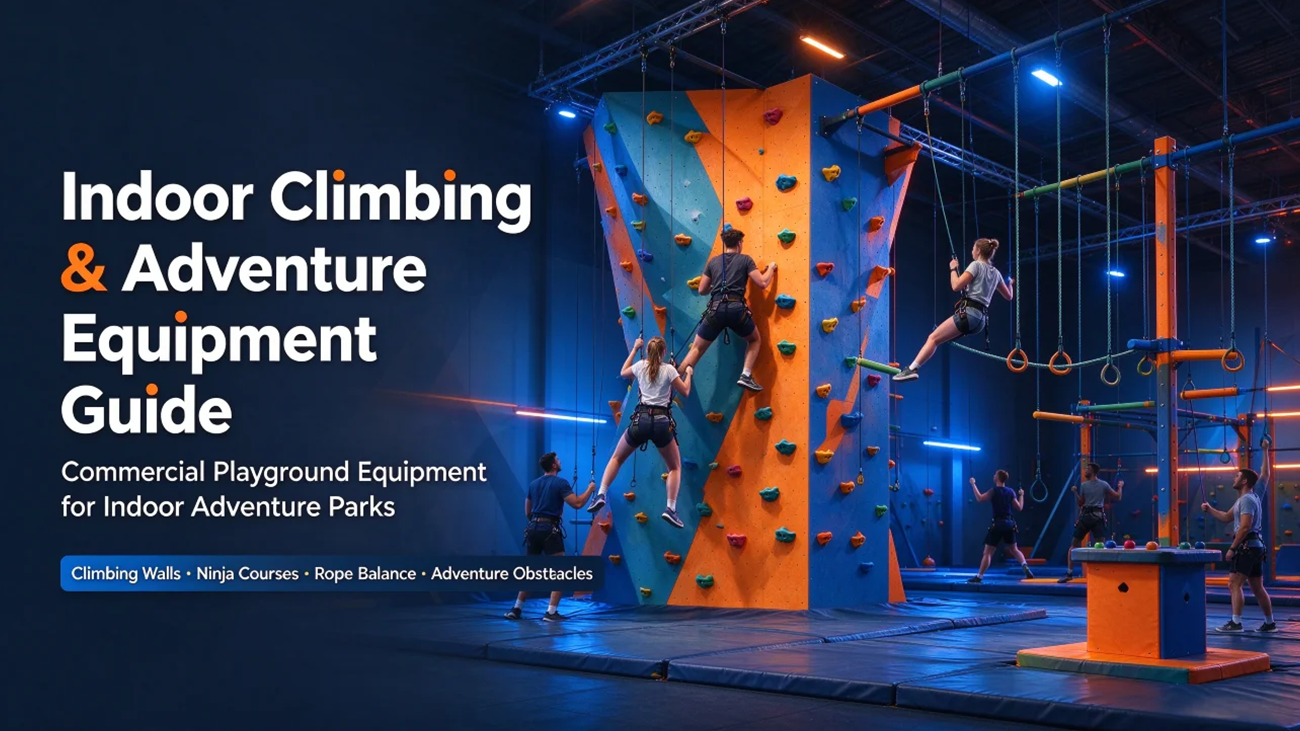
Indoor Climbing and Adventure Equipment Guide
Quick Answer Running an Indoor Adventure Park? You will need Indoor Climbing Equipment and different kinds of Adventure Play features.

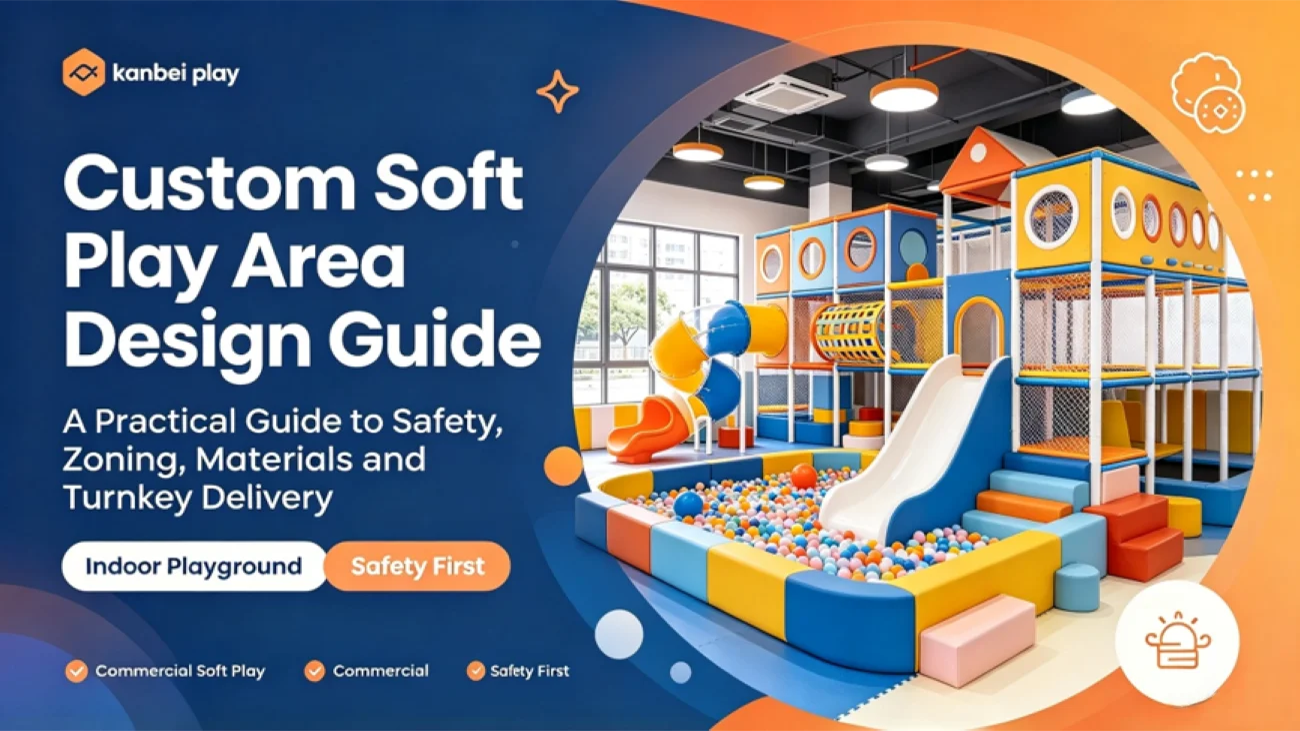
A custom soft-play area is a site-specific padded play zone built for your actual venue, target visitors, and business budget. Good custom design balances kid-friendly fun, safety standards, parent comfort, and smooth visitor flow. Before selecting any Soft Play Equipment, confirm your usable space size, ceiling clearance, target kid age range, peak visitor capacity, and overall project budget. A custom Soft Play proposal may coordinate floor-plan review, design, manufacturing, shipping and installation support. Confirm the equipment list, drawings, included services and customer responsibilities in the written quotation; on-site installation and local site work are not automatically included.
Custom soft play is not pre-packaged off-the-shelf play gear. Every layout and component gets tailored for your unique site conditions.
Standard soft-play modules only fit rooms of certain sizes. Custom soft-play adapts to support pillars, odd-shaped corners, low ceilings, or limited mall storefront space. All exposed surfaces use safety-focused padded materials to lower fall-related injury risks for young kids.
You can place custom soft-play inside standalone Indoor Playgrounds, mall units, daycares, family entertainment centers, and activity-based venues. It supports physical movement, sensory exploration, and safe play for children. Parent supervision needs are considered from the earliest design phase.

Do not rush to pick slides or foam toys. Lock in these key points first, and you will avoid costly rework later in your project.
Your usable floor space for Indoor Soft Play is smaller than your total leased area. You must reserve room for emergency exits, walkways, building columns, and restrooms. These zones cannot hold play structures.
Ceiling height sets hard limits for multi-level Soft Play builds. Ductwork, sprinkler pipes, and overhead beams reduce your real vertical clearance. If you overlook these building features, finished Soft Play Equipment may not fit inside your building.
Gather accurate measurements for your Soft Play project and share building drawings with your design partner early.
Define the intended users before selecting equipment. Compare the documented age, ability and supervision requirements of the proposed components. Use those requirements to plan separate activity zones rather than assuming one standard arrangement suits every child.
Mixing unseparated toddlers and active older children raises collision risks inside an Indoor Playground. Your target age group guides zoning for your whole layout.
Figure out how many children you expect during peak visiting hours for your Indoor Soft Play area. This number tells you how large each play zone needs to be.
Set a full-scope budget for your Soft Play project, not just equipment cost. Remember to allocate funds for safety flooring, transport, on-site installation, and compliance checks. A realistic budget keeps your Soft Play Equipment plan practical and prevents you from selecting features beyond your investment range.
Choose Soft Play Equipment that fits your target age group and available space. The categories below cover the core play units for most custom projects.
Padded foam climbers and soft slides act as the core Soft Play Equipment in most zones. They let kids climb, balance, and slide without sharp, hard edges.
Keep climbers low and wide for toddlers. For older kids, add multi-level padded platforms and extended soft slides. In Soft Play, every corner and frame edge must be fully wrapped with safety foam padding.
Ball pits remain a major draw for kids across many age brackets. Custom Soft Play builds allow ball pits to fit irregular corners of your venue. You can add padded entry steps for easy access.
Request the equipment and material-specific cleaning instructions, inspection access and replaceable-parts arrangements. Plan how staff will reach and clean the ball-play components without blocking customer circulation. For compact venues, choose smaller-size ball pits instead of oversized units that waste floor area of your Indoor Soft Play zone.
Toddlers enjoy crawl tunnels, padded soft steps and short obstacle paths. These Soft Play additions pair well with sensory panels: touch boards, gentle light features and interactive wall elements.
These quieter play sections give children a break from high-energy running and climbing inside an Indoor Playground. They work perfectly for toddler zones and fill small leftover corners of your floor layout.

Split your total area into clear functional zones. Separate high-energy play from calm, low-key activity spaces.
Create a contained dedicated zone for toddlers inside your Indoor Soft Play area. Use low soft barriers instead of tall solid walls, so parents maintain clear sightlines. All equipment stays close to floor level. Avoid fast, large slides inside this zone.
Cover the entire floor with safety mats. Install small climbers, short tunnels, and simple sensory toys. Keep this area physically separated from fast-moving play for older kids to cut accident risks. Good Soft Play zoning keeps toddlers safe.
This high-activity zone serves older children. Place Soft Play Equipment such as soft climbing frames, padded slides, and obstacle courses here. Keep open walkways between play units. Do not overcrowd too many pieces into limited floor space. Crowded layouts lead to tripping and collisions.
Map visitor flow to avoid dead-end corners. All slide exits and climbing-structure openings should lead to open, unobstructed floor space. This keeps your Indoor Playground safe and smooth.
Many new Indoor Playground operators treat parent seating as an afterthought, and this hurts business results. Comfortable parents stay longer, spend more, and make repeat visits.
Place seating where adults can watch most of the Soft Play zone. Add tables, device charging points, and a small refreshment space if your budget allows. Do not tuck seating behind pillars or tall solid panels that block views of playing children.
When adding custom soft-play into a larger-scale Indoor Playground, pay attention to age zoning, visitor circulation, and parent visibility.
Separate younger-kid Soft Play away from trampoline sections, ninja courses, and high-speed obstacle zones for older kids. Use half-height soft dividers. Add clear signage so families quickly locate the right zone for each age group. This simple step reduces most safety-related guest complaints in your Indoor Playground.
Plan how families move from entry check-in, into Soft Play zones, toward restrooms, and finally to exits. Avoid forcing guests to cut straight across busy soft-play areas just to walk through the building.
Wide, unblocked walkways prevent crowd jams during weekends and holiday peak hours. This keeps your Indoor Soft Play venue comfortable for every visitor.
Stick with low-profile barriers in your Soft Play layout. Avoid tall, fully solid play walls that hide children. If taller structures are necessary, fit transparent panel sections. Parents feel anxious if they cannot keep eyes on their kids, and poor visibility often makes families leave earlier.

Material choices directly impact safety, cleaning ease, and equipment service life.
High-density foam sits underneath all padded surfaces for fall-impact absorption. Outer covering uses durable, non-toxic, fire-retardant commercial-grade PVC. Every edge must be rounded and fully padded; no bare metal corners should be exposed.
Select stain-resistant, wipe-clean surface material. Soft-play equipment sees heavy daily commercial use, so easy cleaning cuts down your regular maintenance workload.
All materials should meet local children-play-space safety standards. Cheap thin foam wears out quickly and brings early replacement costs. As an original manufacturer, KanbeiPlay uses in-house-sourced commercial-grade materials with international compliance certifications.
Custom soft-play pricing varies a great deal. Total size, material grade, play-feature selections, and site conditions change your final investment.
Small compact custom soft-play for 50–100 m² fits lower-budget projects. Larger multi-level builds over 200 m², complete with ball pits and interactive sensory features, push costs higher.
Do not overlook hidden project expenses: safety flooring, site modification work, shipping, and professional installation. Many new operators only budget for play equipment and get surprised by these extra charges.
Always ask suppliers for full line-item quote breakdowns. Compare material specifications; do not only look at total price. A low-bid proposal may use thin-grade foam that degrades fast after a few busy seasons.
Custom soft-play follows a clear step-by-step workflow, from your initial concept all the way to opening-day readiness. KanbeiPlay delivers full turnkey support across every phase.
Send your building floor drawings, on-site photos, and precise dimension data to the design team. Specialists mark columns, ceiling height limits, exit placements, and sprinkler positions. This phase catches building-site constraints before any Soft Play design drawing work begins.
Designers first deliver a flat 2D layout to test zone placement, walkway width, and equipment arrangement. Once you approve the 2D plan, you receive realistic 3D renderings of your Soft Play design. You can review visual effects, request adjustments, and tweak zones until you are fully satisfied. Only confirm to move forward when the layout matches your site, target-age users, and budget.
After design confirmation, production of your Soft Play Equipment starts at our own factory. Teams cut high-density foam, build inner frames, and assemble custom soft-play units. Strict quality checks run through manufacturing. Our team can share factory progress photos or videos for your reference.
Finished Soft Play Equipment ships to your venue location. Experienced installers assemble all structures on-site. They lay safety floor padding, secure frames, and double-check padding and safety details. Complete an on-site safety inspection before you welcome child visitors.
New project owners frequently run into these typical soft-play design pitfalls:
Start with your venue measurements, target age group, capacity, and budget. Then split the floor into toddler, main play, and parent zones, and create 2D and 3D Soft Play layouts with your design team.
Indoor Soft Play has no fixed size. Compact zones start around 50 m², while mixed-age areas usually range from 150–300 m².
Soft Play Equipment cost depends on size, material quality, and custom features. Always include flooring, installation, and shipping in your total budget.
Yes. Custom soft play is built around your venue, colors, themed decor, and target-age needs.
Yes. Many indoor playground operators add soft-play zones for younger kids, with proper age zoning, open sightlines, and clear walk paths.
A well-built custom soft-play area delivers more than fun for kids. It fits your venue perfectly, maintains high safety standards, keeps parents comfortable, and drives repeat family visits.
Start your project by gathering precise floor measurements, clarifying your target-age visitors, and setting a practical total budget. Move step-by-step through floor-plan review, design confirmation, manufacturing, and professional installation. Steer clear of frequent design errors, including poor age separation and blocked sightlines.
Thinking of building your own custom Indoor Soft Play area? Get in touch with KanbeiPlay. We help with everything from layout ideas to the final install. And take a look at kanbeiplay.com to see our soft play equipment in action.
Quick Answer Running an Indoor Adventure Park? You will need Indoor Climbing Equipment and different kinds of Adventure Play features.
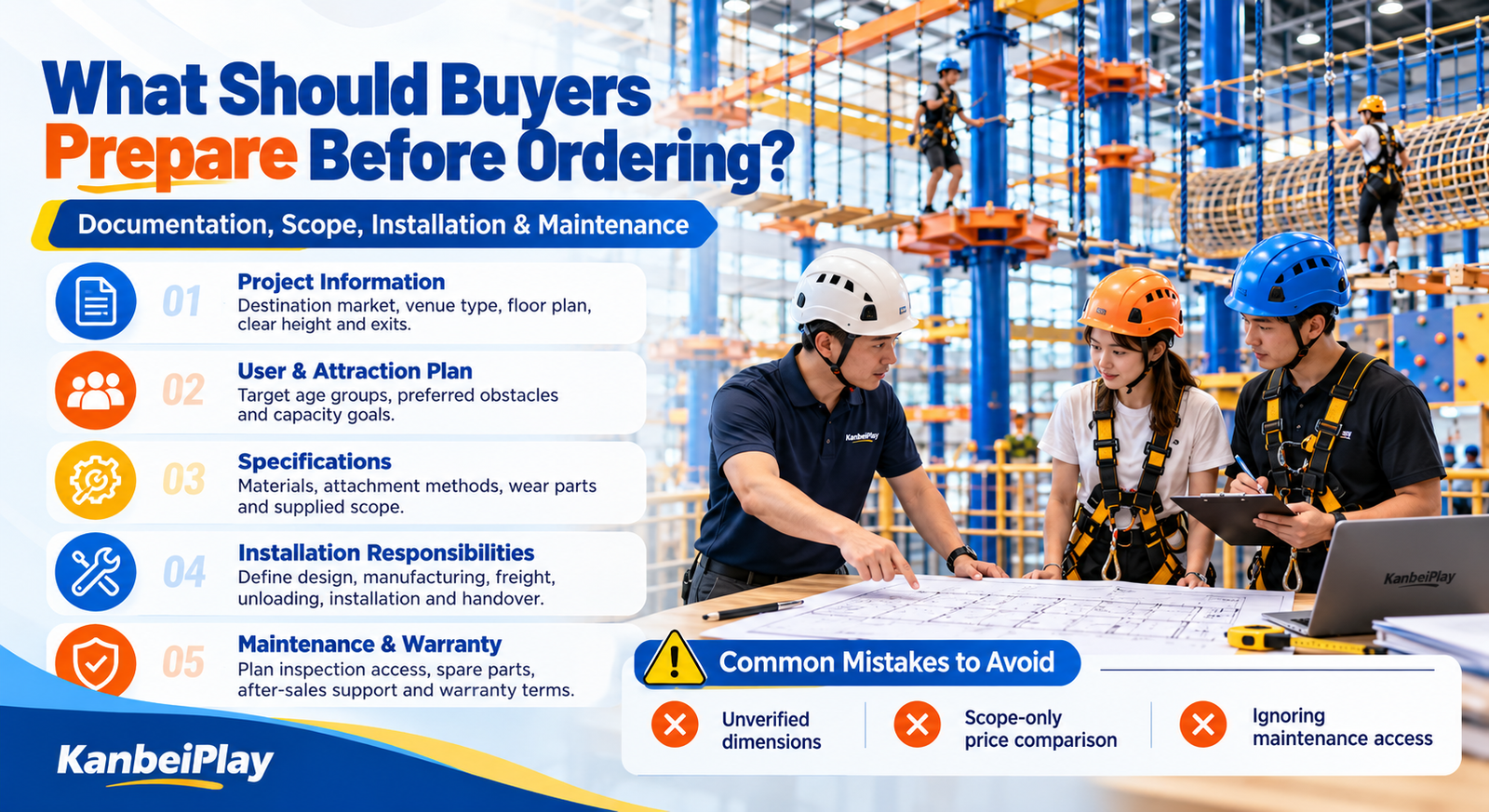
Quick Answer Before working with an indoor playground manufacturer, prepare a measured floor plan, clear ceiling height, target age range,