
Soft Play Equipment Maintenance: What Should Buyers Confirm About Cleaning and Replacement Parts?
Quick Answer Before ordering soft play equipment, confirm the cleaning instructions for the supplied materials, access to areas that need

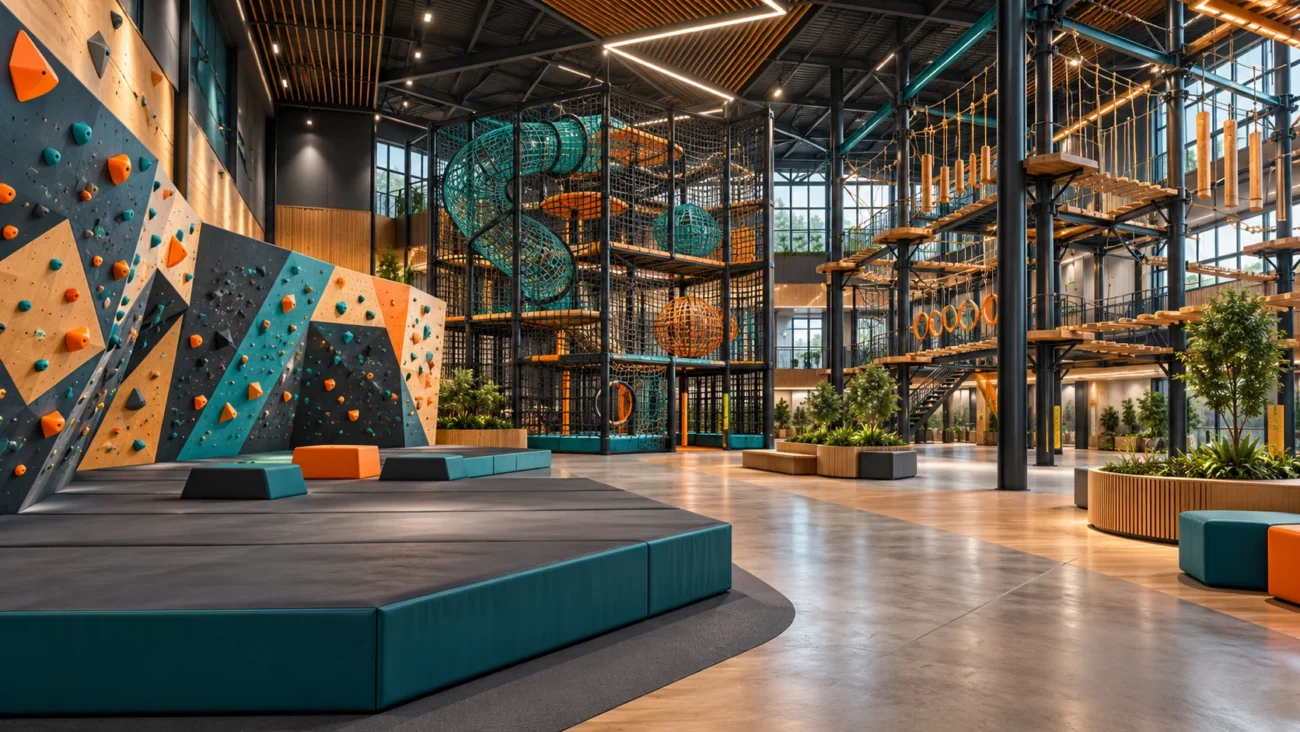
Compare commercial adventure play equipment, including climbing, net and aerial activities, by its intended users, space requirements, structural interfaces and operating needs. Start with the actual venue and the experience you want to offer, then ask for equipment-specific information rather than treating all adventure attractions as interchangeable.
KanbeiPlay includes adventure play equipment in its commercial product range. The selected attraction and support scope should be confirmed for each project. A useful comparison explains what participants do, what the building must accommodate, how entry and supervision are organized and what installation and maintenance responsibilities accompany the equipment.
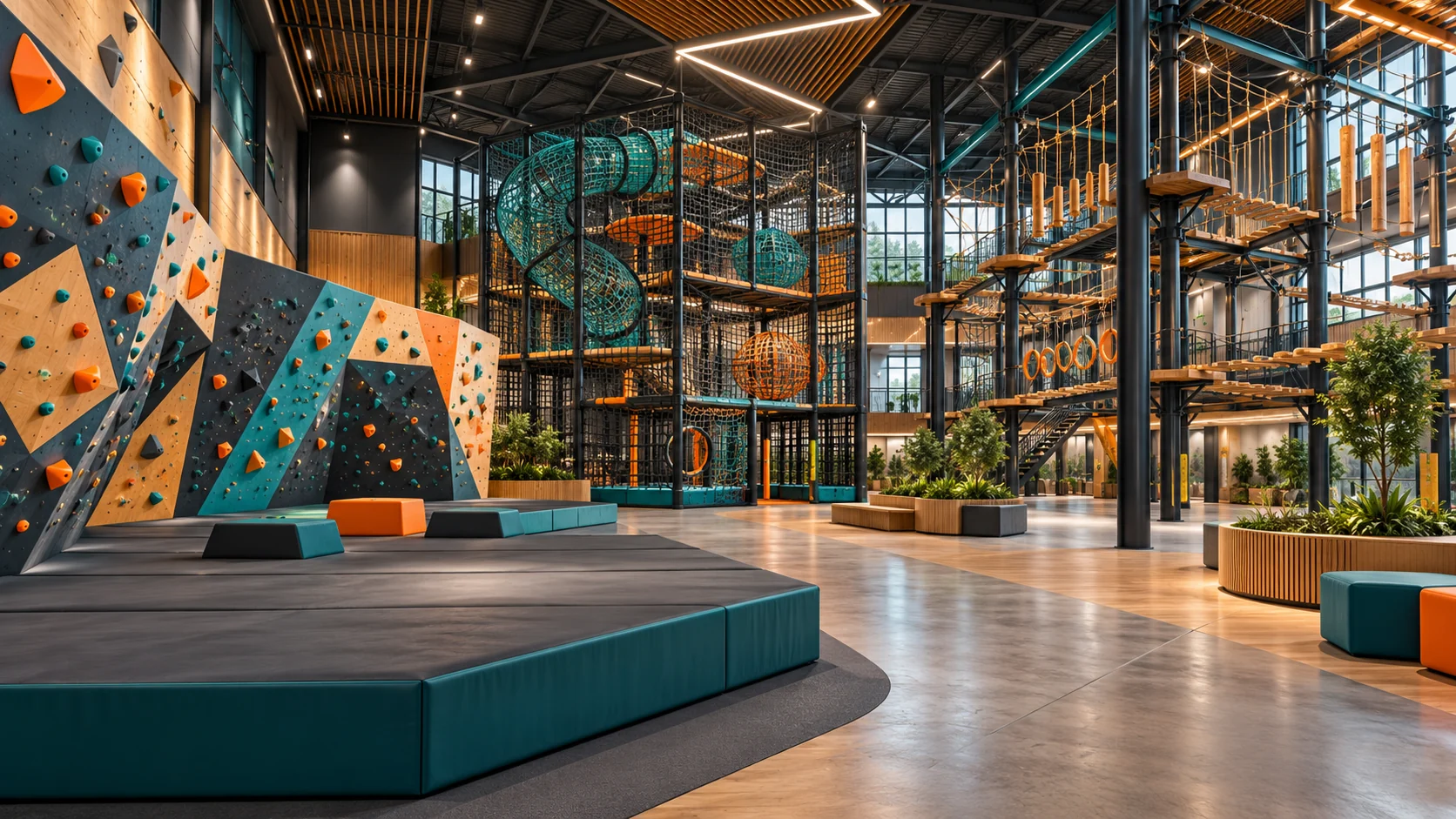
Define the intended experience before comparing equipment. Climbing, net-based play and aerial activities can involve different movement patterns, participation arrangements and challenge levels, depending on the selected design.
Ask the supplier to describe each proposed attraction in practical terms: how participants enter, progress and leave; which users it is intended for; and what operating information applies. Names and renderings alone may not make those differences clear.
Clarify whether the attraction is intended as the venue’s main experience or one part of a wider family entertainment center. That role influences the space allocation and how the activity connects with surrounding areas.
Provide the measured floor plan, clear heights, columns, overhead services and access restrictions. Ask suppliers to identify the equipment envelope and relevant building interfaces for each alternative.
Do not assume that an activity fits simply because its plan-view footprint is smaller than the room. Its proposed configuration may also involve vertical space, access, waiting or other requirements that need to appear in the layout.
KanbeiPlay’s commercial adventure play equipment range can support an initial options discussion. Narrow the comparison to configurations appropriate for the actual venue, then confirm the associated requirements through the relevant project documents.
Use the same questions for each option while allowing the answers to differ. The purpose is to reveal the practical implications of the specific equipment, rather than declare one activity type universally better.
| Comparison area | Climbing option | Net-play option | Aerial option |
|---|---|---|---|
| Participation | Confirm route, movement and intended users | Confirm route, platforms and intended users | Confirm start, progression and finish |
| Space | Review equipment envelope and access | Review complete network and connections | Review full activity route and supporting areas |
| Building interface | Identify the proposed support arrangement | Identify supports and attachment scope | Identify supports and system interfaces |
| Operations | Request entry and supervision guidance | Request circulation and supervision guidance | Request preparation and operating procedures |
| Maintenance | Identify access and relevant components | Identify access to nets and connections | Identify equipment-specific maintenance needs |
Use supplier responses to compare actual proposals. A net attraction designed for one audience should not be assumed equivalent to another configuration with a similar appearance. The same principle applies to climbing and aerial equipment.
Ask for the intended user requirements and operating limits of each selected model. Do not assign suitability based solely on how demanding the equipment looks in an image.
Clarify the participation process, including any preparation, instructions or equipment use described by the manufacturer. Where protective equipment or a particular operating system is proposed, request the associated documentation and support arrangements.
Discuss what the venue team needs to observe and manage. If equipment-specific procedures, training or an emergency response plan are required, identify the responsible parties before purchase. A layout rendering does not establish that those operational preparations have been completed.
Ask the supplier to explain the support concept and the information needed from the site. Identify whether equipment is proposed as a supplied structure, connected to building elements or configured through another defined arrangement.
Any building-related review should be assigned to the appropriately responsible project professionals. A proposed attachment detail should not be treated as proof that an existing building can accept it without the required evaluation.
Compare installation support in writing. Confirm drawings, technical guidance, site personnel if included and the buyer’s responsibilities for local work. Changes to supports or equipment should follow an agreed review process rather than being improvised during installation.
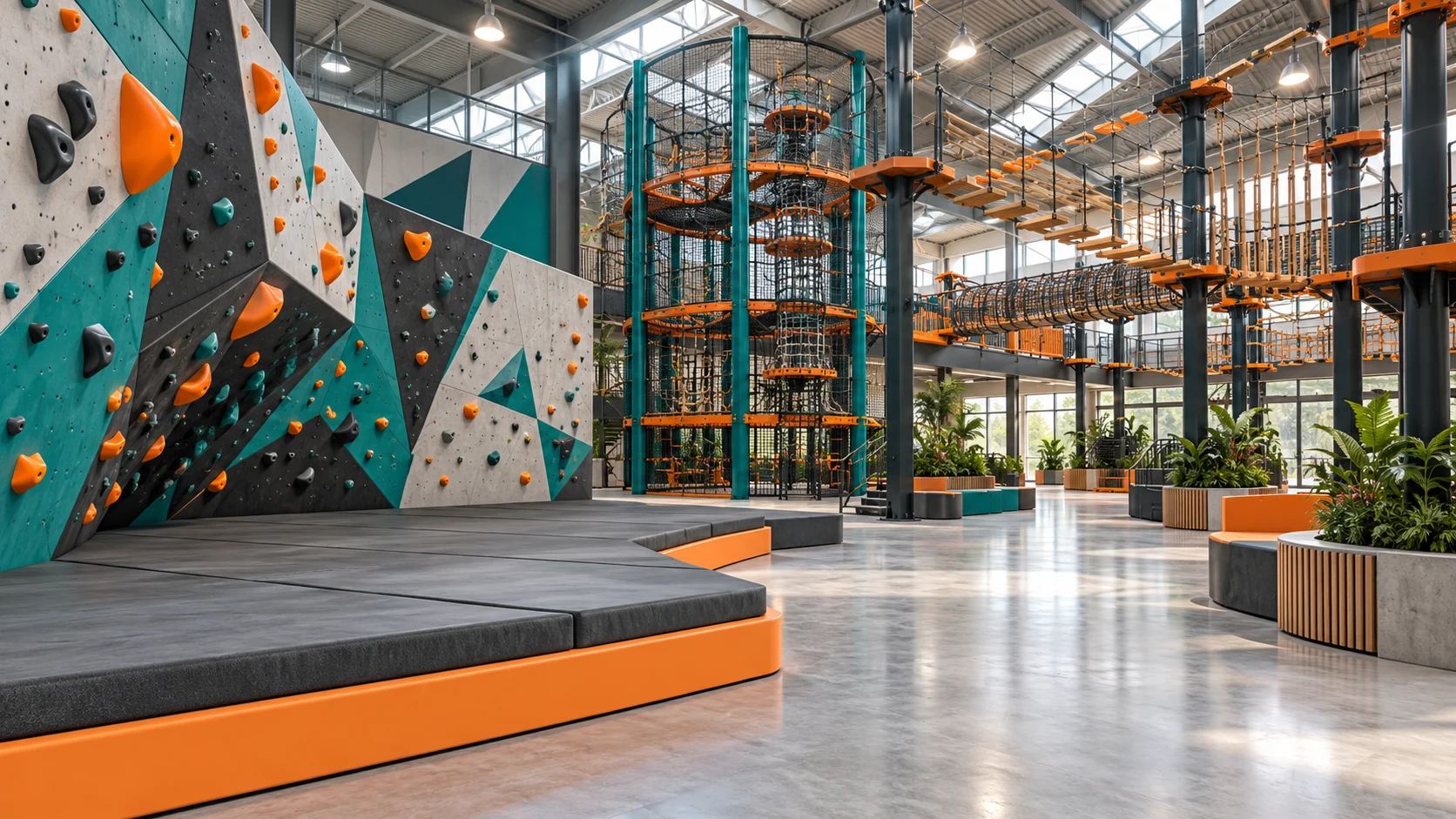
Request maintenance and inspection information for each alternative. Ask which components need access, how parts are identified and what support is available when an issue is reported.
Compare the practical implications for the venue. A visually attractive option may be difficult to maintain in the proposed position if access has not been considered. Discuss how relevant work is carried out and how affected equipment is taken out of use when necessary.
If later modifications are important, ask what can be changed and what needs a new design review. Do not assume that changing a route, net section or challenge element leaves the rest of the system unaffected.
Prepare the project location, venue plan, clear heights, structural information available from the site team and intended users. Explain the attraction’s role, preferred participation style, budget range and operating model. Identify delivery restrictions, installation expectations and maintenance access. Share reference images with notes about the desired experience, while leaving technical suitability to the project-specific review.
For the aerial course portion of a proposal, the ASTM F2959 aerial adventure course standard is a useful scope reference. Confirm which requirements apply to the actual course with the responsible project parties; do not extend that reference automatically to every climbing or net attraction.
It depends on the intended users, site constraints and operating model. Compare specific proposals against those requirements rather than choosing by category name alone.
It requires review of the proposed equipment, available space and relevant building interfaces. Provide site information before assuming feasibility.
No universal suitability should be assumed. Confirm the intended users and operating requirements of the selected configuration.
Check the agreement. Equipment supply and installation assistance do not automatically include local structural work or venue alterations.
Yes. Compare access, instructions, parts identification and support alongside the initial experience and purchase scope.
Commercial adventure play equipment options, including climbing, net and aerial attractions, should be compared as complete project choices. The selected experience must work with the venue, intended users and operating preparations, while its supply and installation scope remains clear.
To explore a KanbeiPlay proposal, send your site plan and adventure activity brief. Include the target users, clear height, available building information, budget and support expectations so the options can be assessed against the actual project.
Quick Answer Before ordering soft play equipment, confirm the cleaning instructions for the supplied materials, access to areas that need
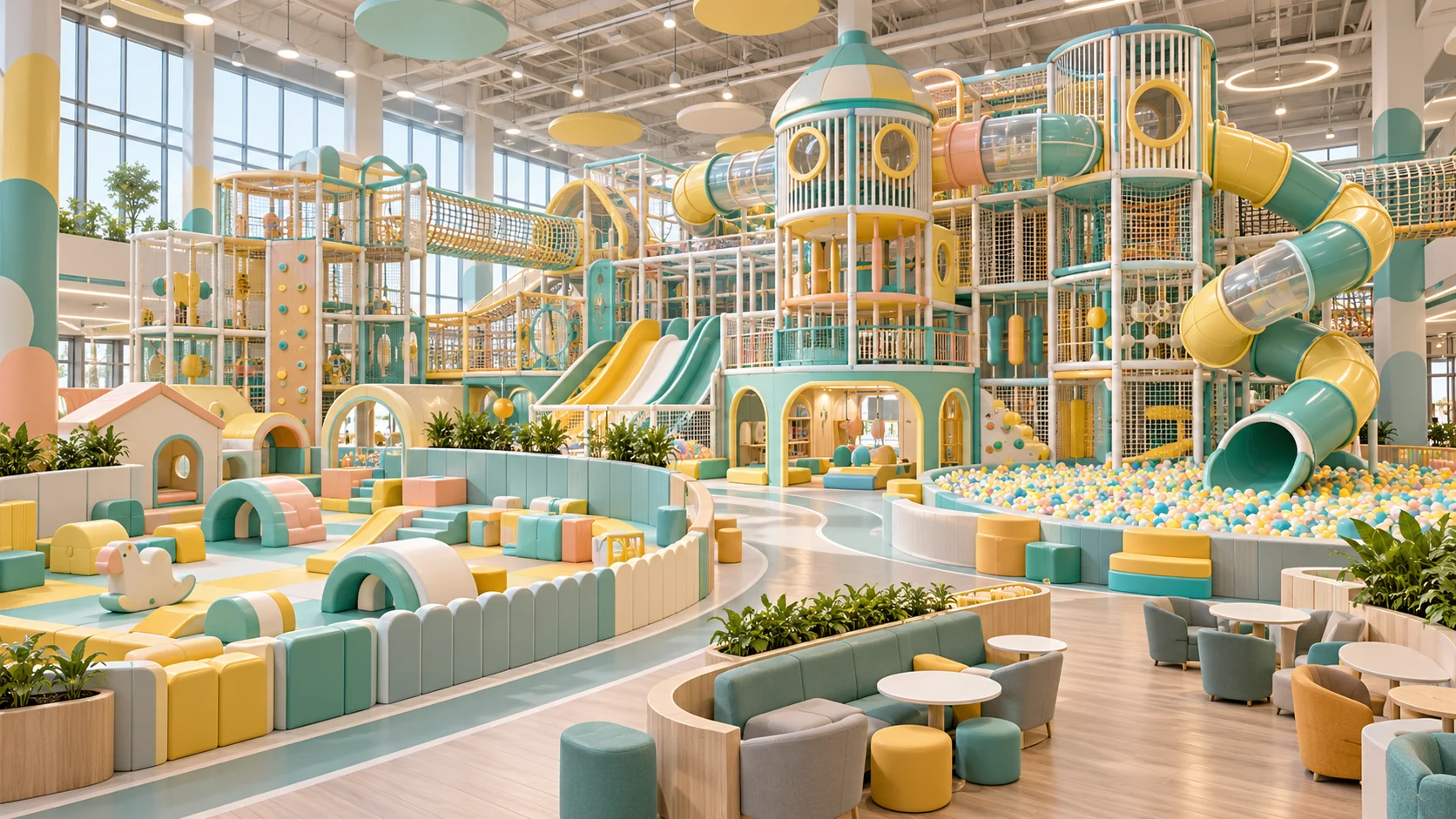
Quick Answer Compare commercial indoor playground equipment proposals in two connected parts: how the layout serves the venue, and what