
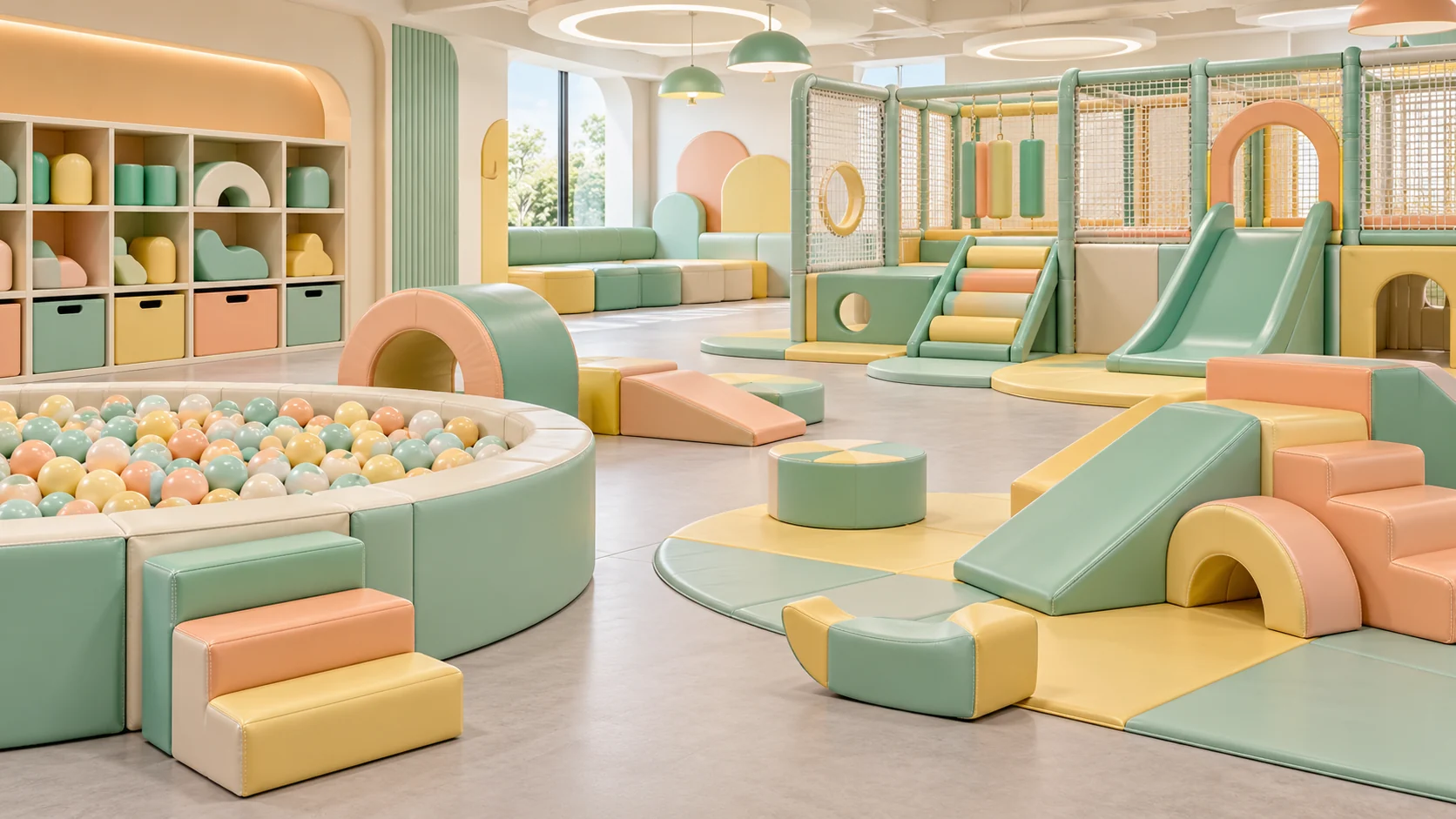
Soft Play Equipment Maintenance: What Should Buyers Confirm About Cleaning and Replacement Parts?
Quick Answer Before ordering soft play equipment, confirm the cleaning instructions for the supplied materials, access to areas that need

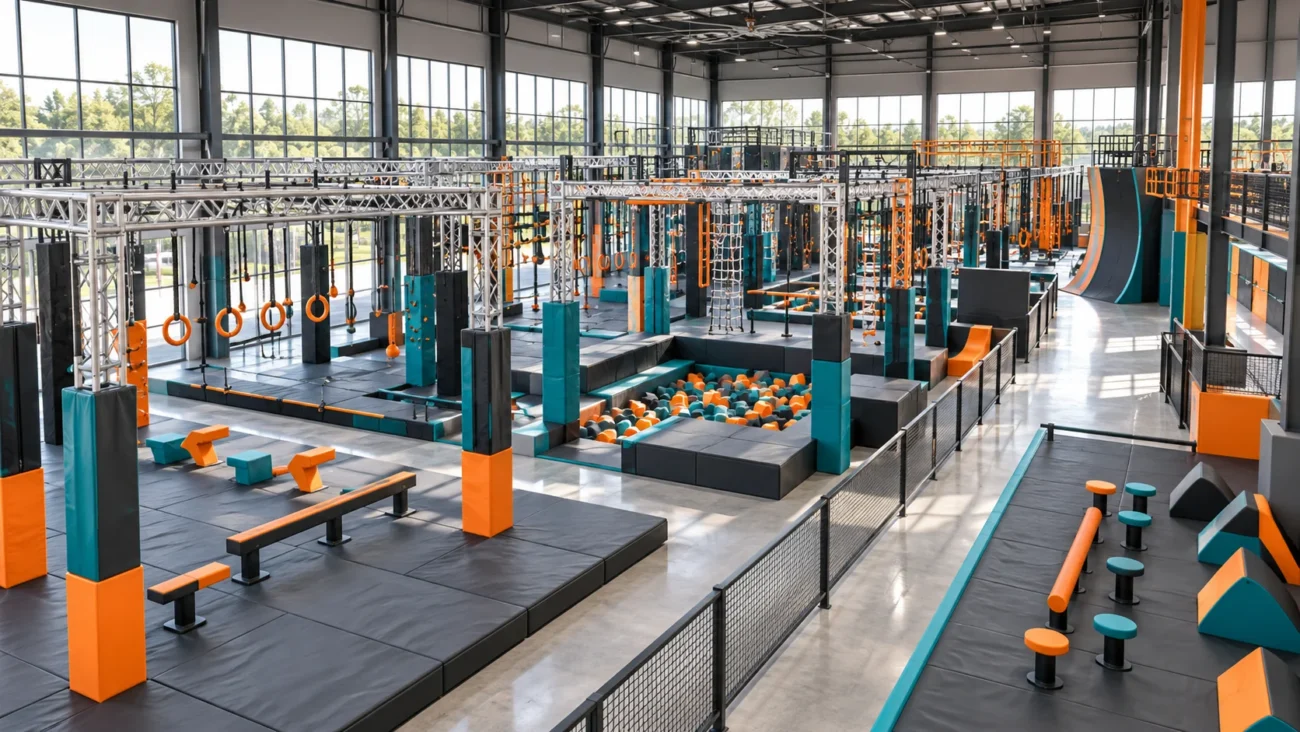
Compare ninja course equipment quotes against the same layout, obstacle schedule, user requirements and service scope. The quoted total is meaningful only when buyers understand which structures, obstacles, protective components, drawings and support services it includes. Transport, installation, replacement parts and project documentation also need clear responsibility boundaries.
KanbeiPlay supplies ninja courses as part of its commercial play equipment range. Before ordering, ask for a project-specific proposal that connects each quoted item to the approved design. A lower total may represent a different obstacle combination or fewer services, rather than a lower price for an equivalent course.
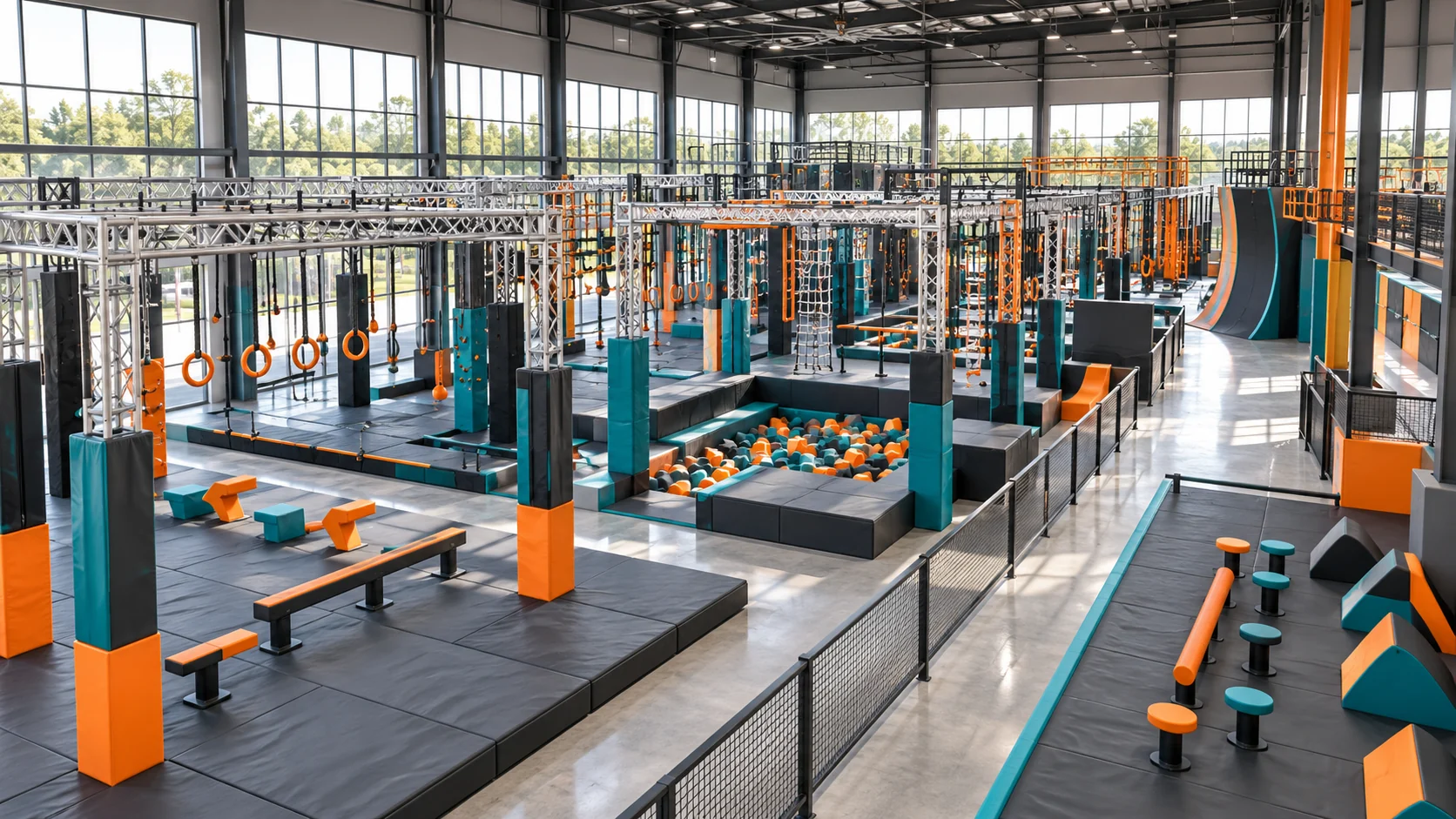
Give each supplier the same project brief. Include the venue plan, measured clear height, column positions, intended users and preferred challenge level. Identify the country and city, opening schedule and installation support required.
Separate confirmed information from assumptions. If a lease plan has not been checked against the actual building, describe it as provisional. A quotation based on provisional dimensions should not become the final purchasing specification without review.
Use the same design revision for comparisons. Otherwise, one manufacturer may price a longer route or a different support arrangement while another prices an earlier concept. Recording the revision is a small step that prevents a misleading comparison.
Ask for an itemized obstacle schedule with names, quantities and drawing references. “Complete ninja course” does not tell buyers how many activities are included, how they connect or which components support them.
The proposal should identify the supplied structure, obstacle assemblies, relevant protective components and connections within the supplier’s scope. Where building interfaces are involved, clarify what information the equipment supplier requires and who handles the associated site work.
KanbeiPlay’s ninja course equipment can provide a starting point for discussing activity options. Use those options to define the proposed order, rather than assuming every attraction shown in a catalog belongs in the quotation.
Compare descriptions at component level. A general reference to steel, padding or netting does not establish whether two proposals specify equivalent equipment. Ask which materials and finishes apply to each relevant item and what supporting information is available.
The intended users also matter. Ask suppliers to explain the proposed obstacle progression and the user limits associated with the selected equipment. Do not infer suitability from the visual scale of a rendering.
Record any unresolved specifications as open items. This allows buyers to see whether a price is firm against an agreed configuration or still depends on decisions that could change the order.
Design, packing, transport coordination and installation assistance may be treated differently between offers. Clarify them before comparing totals.
| Quote element | Question to resolve |
|---|---|
| Layout and drawings | Which deliverables and revisions are included? |
| Equipment package | Does every item match the obstacle schedule? |
| Packing | What protection and identification are supplied? |
| Transport | Where does the supplier’s delivery responsibility end? |
| Installation | Is support remote, on site or separately quoted? |
| Replacement parts | Which parts are included, optional or ordered later? |
Identify exclusions explicitly. Local building work, unloading equipment, storage and installation labor should have named owners where relevant. An unassigned task can become a project expense even when it is absent from the equipment quotation.
Request information relevant to the selected equipment: specifications, drawings and available supporting documents. Where a report is supplied, check the product identification and stated scope instead of relying on its cover page.
Discuss what production updates or inspection arrangements can be agreed for the order. General workshop photographs provide context; order-related information is more useful for checking whether the approved equipment package is being prepared.
Do not treat an equipment document as approval for every aspect of the building or operation. Establish the project documentation requirements with the parties responsible for the destination venue, and identify which documents the manufacturer will supply.
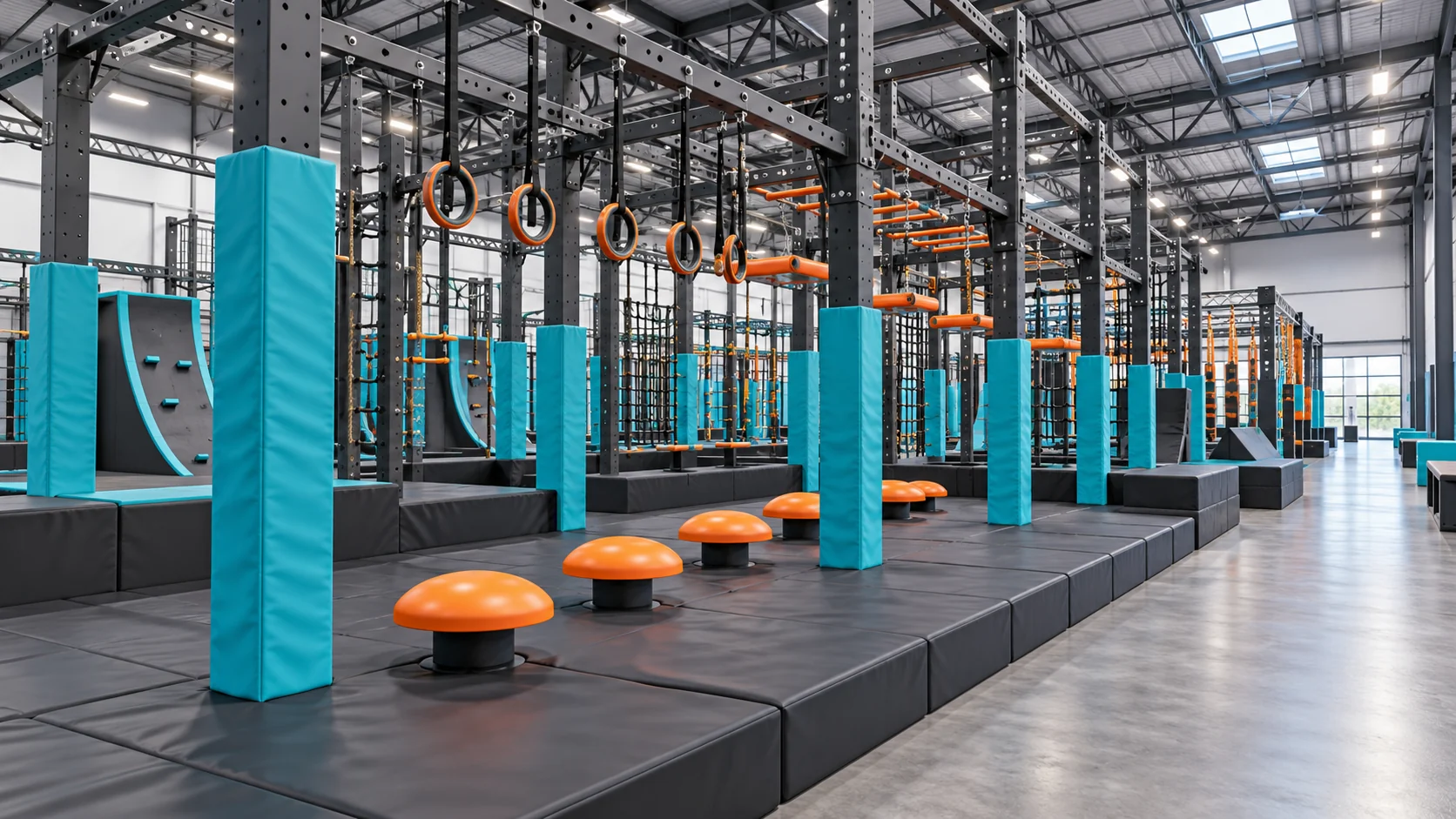
Ask how substitutions and design changes will be recorded. A replacement obstacle can affect the layout, associated components and price. Written confirmation should identify the revised item and any consequences before the change is accepted.
Consider maintenance and replacement alongside the initial purchase. Ask how wear parts are identified, what information is needed to reorder them and which support terms apply. A generic promise of after-sales service is less useful than a clear contact process and component references.
Finally, compare offers using an exceptions list: included, excluded, optional and awaiting confirmation. This makes differences visible without pretending that unlike proposals are interchangeable.
Prepare a dimensioned floor plan, clear height, column and access information, target users, preferred obstacles and budget range. State whether the course is a standalone attraction or part of a wider entertainment venue. Include the project location, opening target and requested design, delivery and installation support. Mark priorities so suppliers can distinguish essential activities from optional additions.
No. Area does not describe obstacle quantity, structure, specifications or service scope. Use it only alongside a defined equipment package.
It should include the agreed activities for the proposed layout. Optional attractions should be identified separately so buyers can compare the base package consistently.
Ask for a revised obstacle schedule showing what changes. Review the effect on the layout and user experience before accepting the alternative.
Compare equipment prices separately from transport, then identify the delivery basis, destination charges and responsibilities needed for the full project budget.
Confirm it against the agreed drawing revision, specifications and commercial terms before authorizing the order. Record unresolved items and how they will be priced.
A useful ninja course quotation explains what the buyer will receive and which responsibilities remain outside the supply agreement. Compare the complete scope before deciding whether a price difference represents better value.
For a KanbeiPlay proposal, send your venue plan and obstacle priorities. Include the project location, clear height, intended users, budget range and support requirements so the discussion can move toward a defined equipment package.
Quick Answer Before ordering soft play equipment, confirm the cleaning instructions for the supplied materials, access to areas that need
Quick Answer Compare commercial indoor playground equipment proposals in two connected parts: how the layout serves the venue, and what